
How We Built A Reliable AI Visibility? New AI Visibility Model 2026

AI has changed the way people discover information.

Search is no longer limited to ten blue links. People increasingly ask complex questions and receive synthesized answers through AI-powered search experiences, including Google’s AI Overviews and AI Mode. Google itself says its generative search experiences are designed to help users discover websites, original content, and trusted sources.

That creates a new challenge for brands:

Ranking is no longer enough. Your brand also needs to be understood, referenced, and trusted by AI systems.

At Smart Brand X, we call this AI Visibility.

Our approach goes beyond tracking rankings or forcing a page into an AI-generated answer.We look at “How We Built a Reliable AI Visibility?” whether a brand has the content depth, topical authority, entities, evidence, reputation. The technical accessibility required to become a reliable source across modern search and AI discovery systems.

That thinking led us to develop our SPIV Framework for 2026.

The goal is simple:

Measure whether your brand is actually becoming visible and useful in the AI-powered search ecosystem not just whether individual pages are ranking.

Key Takeaways

  • AI visibility is broader than traditional keyword rankings.
  • SEO remains foundational to AI-search visibility.
  • AI systems need clear, trustworthy, well-structured information.
  • Brand entities and topical authority increasingly matter.
  • A traditional SEO audit can miss AI-discovery problems.
  • AI visibility should be measured through multiple signals.
  • Smart Brand X uses the SPIV Framework to organize these signals.
  • E-E-A-T should guide content quality, authorship, evidence, and trust.
  • The objective is sustainable visibility—not short-term AI manipulation.

What AI Visibility Means?

AI visibility is the ability of a brand, website, expert, or organization to be discovered, understood, represented, and referenced accurately within AI-powered search and answer experiences.

Traditional SEO usually asks:

  • “Where does this page rank for the target keyword?”
  • “How We Built a Reliable AI Visibility?”

AI visibility asks a broader question:

“When someone asks an AI system a question related to our business, does our brand appear in the information ecosystem used to construct the answer?”

Whats the important Points?

Modern AI search experiences can handle longer, conversational, multi-part questions. Google describes AI Mode as using multiple searches across subtopics and sources to build broader answers, a process Google calls “query fan-out.”

Therefore, optimizing one page for one keyword is no longer enough.

AI visibility can involve several interconnected signals:

  • Topical authority — Does your website demonstrate meaningful depth around a subject?
  • Entity clarity — Is it clear who your company is, what you offer, and what you are known for?
  • Content quality — Does your content genuinely answer users’ questions?
  • Experience — Does the content demonstrate first-hand knowledge where appropriate?
  • Expertise — Are claims supported by credible knowledge and qualified authorship?
  • Authority — Do other trustworthy sources recognize or reference your brand?
  • Trust — Can users understand who created the content and why they should trust it?
  • Technical accessibility — Can search systems properly crawl, interpret, and retrieve your information?
  • Brand consistency — Is your organization described consistently across important digital sources?

This aligns closely with Google’s explanation of E-E-A-T: experience, expertise, authoritativeness, and trustworthiness, with trust being particularly important. Google also emphasizes the importance of understanding who created content, how it was created, and why it exists.

So, AI visibility isn’t simply about “optimizing for ChatGPT” or inserting keywords into articles.

It is about building a digital information footprint that AI systems can understand and confidently connect with your brand.

Why Traditional SEO Alone Is No Longer Enough?

Traditional SEO is not dead.

In fact, it remains one of the foundations of AI visibility.

Google’s current guidance specifically states that SEO best practices continue to matter for success in generative AI features in Search.

The problem is that SEO alone does not describe the entire visibility journey anymore.

Imagine two companies competing in the same industry.

Both have:

  • optimized title tags,
  • technically healthy websites,
  • relevant keywords,
  • internal links,
  • optimized headings,
  • and several ranking pages.

But one company has something else:

It has a recognizable brand entity, original research, detailed first-hand experience, expert authors, consistent information across the web, strong topical coverage, and independent references from credible sources.
That second company gives AI systems considerably more context to understand.

Traditional SEO tends to focus heavily on:

  • rankings,
  • keywords,
  • backlinks,
  • organic traffic,
  • technical health,
  • on-page optimization.

AI visibility expands the picture.

It asks:

  • Can AI identify the brand?
  • Can AI understand what the company specializes in?
  • Does the website provide original information?
  • Are important claims supported by evidence?
  • Is the author identifiable?
  • Are there first-hand insights?
  • Does the brand appear consistently across relevant sources?
  • Is the content useful beyond a single keyword?
  • Can the information be retrieved and understood easily?

Google’s AI Search updates increasingly emphasize connecting users with original content, trusted websites, and firsthand perspectives.

That means the modern strategy isn’t:

SEO vs. AI visibility.

It is:

SEO + authority + entities + evidence + experience + content depth + trust.

SEO gets your information into the ecosystem.

Strong information architecture and E-E-A-T help make that information meaningful.

Why the Old Audit Approach Wasn’t Working?

For years, an SEO audit generally followed a familiar pattern.

An SEO professional would inspect:

  • technical errors,
  • broken links,
  • metadata,
  • keyword targeting,
  • page speed,
  • indexability,
  • content length,
  • backlinks,
  • internal linking,
  • duplicate content.

These checks remain useful.

But they can create a dangerous illusion:

A technically healthy website is not automatically an AI-visible website.

Consider a hypothetical website with 500 indexed pages.

Its technical SEO score is excellent.

Its Core Web Vitals are healthy.

Also titles are optimized.

But its content is generic.

The authors are unclear.

Its company information is inconsistent.

There is little original research.

Its service claims are unsupported.

Must topical coverage is fragmented.

Its brand has weak recognition outside its own website.

A conventional audit might identify several technical strengths while failing to answer the bigger question:

Why would an AI system confidently use this brand as a source?

That’s where the audit model needs to evolve.

An AI-visibility audit should examine multiple layers:

  • Technical discoverability
  • Topical coverage
  • Entity understanding
  • Content originality
  • First-hand experience
  • Author expertise
  • Citation and source quality
  • Brand consistency
  • Digital reputation
  • AI-query presence
  • Answer-level visibility
  • Source attribution

This doesn’t mean abandoning technical SEO.

It means placing technical SEO inside a larger visibility system.

Google’s own guidance emphasizes original, helpful, people-first content and recommends thinking about Who, How, and Why when evaluating content quality.

That gives us a useful direction for modern auditing:

Don’t only audit the website. Audit the information ecosystem around the brand.

AI Visibility vs. SEO vs. AEO vs. GEO

These concepts overlap, because they are not identical.

ApproachPrimary FocusMain QuestionTypical SignalsRole in 2026
SEOOrganic search visibilityWhere does my page rank?Rankings, crawlability, links, content, technical SEOFoundational
AEOAnswer visibilityCan my content provide a direct answer?Question-based content, concise answers, structured informationImportant for answer-driven searches
GEOGenerative search visibilityCan my content be surfaced or represented in generative answers?Context, entities, relevance, source quality, content depthIncreasingly important
AI VisibilityOverall brand visibility in AI-driven discoveryIs my brand discoverable, understandable, trusted, and referenced?Entities, authority, experience, citations, mentions, content, AI responses, brand signalsBroader strategic layer

SEO

SEO focuses primarily on improving discoverability and performance within search engines.

It remains essential.

AEO

Answer Engine Optimization focuses on producing content that can satisfy direct questions and answer-oriented search behavior.

The goal is often clarity:

Question → direct answer → supporting explanation.

GEO

Generative Engine Optimization generally refers to optimizing content and information. So it has a better chance of being surfaced or represented in generative search experiences.

Terminology in this field is still evolving. Google’s own 2026 documentation specifically discusses optimizing for generative AI features. Also cautioning against many simplistic AEO/GEO misconceptions.

AI Visibility

We use AI Visibility as the broader strategic concept.

It combines the foundations of SEO, answer optimization, generative search optimization, brand/entity development, authority, and trust.

The objective isn’t simply:

“Get mentioned by AI.”

The objective is:

“Build a brand that AI systems can accurately understand and users can confidently trust.”

Introducing the SPIV Framework

To bring these ideas into a practical workflow, Smart Brand X developed the SPIV Framework for AI Visibility in 2026.

SPIV stands for:

S — Search Presence
P — Perception & Proof
I — Information & Intelligence
V — Visibility & Validation

The framework is designed to examine AI visibility from four connected perspectives.

S — Search Presence

We examine whether the brand has a strong foundation across search:

  • Organic visibility
  • Technical accessibility
  • Relevant rankings
  • Search intent coverage
  • Internal linking
  • Structured information

P — Perception & Proof

We examine why an AI system—or a human—should trust the brand:

  • First-hand experience
  • Expert authorship
  • Original research
  • Reviews and references
  • External mentions
  • Evidence supporting important claims

I — Information & Intelligence

We examine whether the website communicates information clearly enough to be understood:

  • Entity relationships
  • Topic clusters
  • Content depth
  • Semantic relevance
  • Clear definitions
  • Supporting evidence
  • Consistent brand information

V — Visibility & Validation

Finally, we test whether those foundations translate into observable visibility:

  • AI answer appearances
  • Brand mentions
  • Source citations
  • Search visibility
  • Referral traffic
  • Branded demand
  • Conversion signals

The framework is intentionally broader than a traditional SEO checklist.

The Two Layers of Measurement: Primary and Secondary Metrics

One of the biggest mistakes in AI visibility measurement is relying on a single metric.

For example:

“Our brand appeared in an AI answer, therefore our AI strategy worked.”

Not necessarily.

An appearance is useful, but context matters.

That’s why our SPIV approach separates measurement into Primary Metrics and Secondary Metrics.

1: Primary Metrics

Primary metrics measure whether the brand is actually achieving the core visibility objective.

Examples include:

  • AI answer inclusion
  • Brand mention frequency
  • Source citation frequency
  • Citation relevance
  • Visibility across target question sets
  • Correct brand representation
  • Presence for commercially important topics
  • Share of relevant AI responses containing the brand

The critical point is relevance.

Being mentioned for an unrelated question doesn’t create meaningful visibility.

A strong measurement system therefore tracks predefined query groups based on:

  • customer problems,
  • products,
  • services,
  • categories,
  • competitors,
  • use cases,
  • industry questions,
  • informational intent,
  • commercial intent.

2: Secondary Metrics

Secondary metrics explain why visibility is increasing or declining.

These may include:

  • Organic impressions
  • Organic clicks
  • Ranking distribution
  • Branded searches
  • Referral traffic
  • Backlink growth
  • Referring domains
  • Content engagement
  • Conversion rate
  • Returning visitors
  • New content coverage
  • Indexed pages
  • Technical health
  • Author/entity consistency

Google’s AI Search experiences continue to provide links that allow users to explore source websites, making traditional website discovery and traffic metrics relevant even within an AI-driven search environment.

This gives us an important principle:

AI visibility should not be measured separately from business visibility.

A brand can receive many AI mentions without generating meaningful business outcomes.

Conversely, a brand might receive fewer mentions but appear repeatedly for highly relevant commercial questions.

Therefore, measurement needs context.

We recommend creating a target query universe and tracking it consistently over time rather than testing random prompts.

For example:

  • 50 informational queries
  • 30 commercial queries
  • 20 comparison queries
  • 20 brand/entity queries

Then monitor changes month over month.

That creates a more reliable baseline than isolated screenshots.

What the Data Tells You?

The most valuable insight isn’t simply whether AI mentions increased.

The data can reveal where your visibility system is strong—and where it is breaking.

For example:

1: High SEO visibility + low AI visibility

This can indicate that your website ranks but lacks sufficient entity clarity, content depth, original evidence, or broader authority signals.

2: Low SEO visibility + occasional AI mentions

This may suggest that specific content has strong topical relevance even though the broader search foundation needs improvement.

3: High AI visibility + incorrect brand descriptions

This is a different problem.

You may have achieved visibility but lack entity consistency.

4: High mentions + low citations

Your brand may be recognized in the information ecosystem but not consistently selected as a source.

5: Strong citations + weak conversions

Your content may be discoverable and credible but disconnected from commercial intent or conversion pathways.

This is why AI visibility cannot be reduced to a single “AI score.”

The data should help answer:

  1. What is visible?
  2. Why is it visible?
  3. Where is it missing?
  4. Is the information accurate?
  5. Does the visibility matter to the business?

Google’s current AI Search direction emphasizes connecting users with relevant websites, original content, and trusted sources, reinforcing the importance of measuring both visibility and the quality of the source relationship.

Conclusion

AI search is changing the discovery layer of the internet.

But the fundamental principle hasn’t changed:

People want useful, accurate, trustworthy information.

What has changed is how that information is discovered, summarized, compared, and presented.

Traditional SEO remains essential because search engines still need to discover, crawl, index, and understand web content. But modern visibility requires a broader strategy that incorporates experience, expertise, authority, trust, entities, original information, brand consistency, and measurable AI presence.

That’s the thinking behind the SPIV Framework developed by Smart Brand X.

We don’t see AI visibility as a replacement for SEO.

We see it as the next layer of the search ecosystem.

The brands that prepare for this shift shouldn’t focus on manipulating AI systems or stuffing content with artificial optimization signals.

They should focus on becoming genuinely useful sources of information.

That means showing who created the content.

  • Demonstrating real experience.
  • Supporting important claims.
  • Publishing original insights.
  • Building topical depth.
  • Strengthening the brand’s digital identity.

And measuring visibility against the questions real customers actually ask.

Google’s own guidance emphasizes people-first content, original value, clear authorship, and E-E-A-T principles rather than content created primarily to manipulate search rankings.

The future of search isn’t simply about ranking higher.

It’s about becoming a source that people—and the systems helping people find information—can understand, recognize, and trust.

That is the direction Smart Brand X is taking with how we built a reliable AI Visibility in 2026.

FAQs (Frequently Asked Questions)

1: What is AI Visibility in SEO?

AI Visibility refers to how easily a brand, website, or expert can be discovered, understood, mentioned, or cited within AI-powered search experiences. Unlike traditional SEO, it looks beyond rankings and considers brand entities, topical authority, content quality, expertise, citations, trust, and how accurately AI systems represent the brand.

2: How is AI Visibility different from traditional SEO?

Traditional SEO primarily focuses on improving a website’s visibility in search engine results. AI Visibility takes a broader approach by examining whether AI systems can understand, recognize, and reference a brand accurately. SEO remains an important foundation, but AI Visibility also considers entities, authority, experience, evidence, brand reputation, and answer-level visibility.

3: Is traditional SEO still important for AI search?

Yes. Traditional SEO remains an important foundation for AI-powered search visibility. Search engines still need to discover, crawl, index, and understand web content. However, ranking alone does not guarantee AI visibility. Brands should combine strong technical SEO with useful content, clear entities, original insights, expertise, authority, and trustworthy information.

4: What are AEO and GEO?

AEO stands for Answer Engine Optimization and focuses on making content useful for direct-answer experiences. GEO commonly refers to Generative Engine Optimization, which focuses on visibility within generative search experiences. Both AEO / GEO overlap with AI Visibility, but AI Visibility is broader and can include SEO, entities, brand authority, citations, reputation, and trust.

5: What is the SPIV Framework?

The SPIV Framework is the AI Visibility model developed by Smart Brand X for organizing and measuring modern search visibility. SPIV represents Search Presence, Perception & Proof, Information & Intelligence, and Visibility & Validation. It evaluates technical foundations, authority, content quality, entities, evidence, AI visibility, and measurable business-related signals.

6: How can I improve my website’s AI Visibility?

Start by creating genuinely useful, original content that demonstrates expertise and first-hand experience. Clearly identify authors and your organization, support important claims with credible evidence, build comprehensive topical coverage, strengthen internal linking, maintain technical SEO, improve entity consistency, and monitor how your brand appears across relevant AI-generated answers.

7: What metrics should be used to measure AI Visibility?

AI Visibility should be measured using multiple signals rather than one universal score. Primary metrics can include relevant AI mentions, citations, answer inclusion, citation relevance, and query coverage. Secondary metrics may include organic impressions, clicks, branded searches, referral traffic, conversions, backlinks, content engagement, and technical performance.

8: Why do E-E-A-T principles matter for AI Visibility?

E-E-A-T—Experience, Expertise, Authoritativeness, and Trustworthiness—helps establish the credibility and usefulness of online content. For AI Visibility, clear authorship, first-hand experience, reliable evidence, accurate information, and recognizable expertise can provide stronger context around a source. Trust is particularly important when content involves significant or consequential claims.

9: Can a website rank well but have low AI Visibility?

Yes. Strong traditional rankings do not automatically mean strong visibility within AI-generated answers. A website may rank for individual keywords while having limited entity recognition, weak topical coverage, insufficient original information, or inconsistent brand signals. AI Visibility therefore evaluates a broader information ecosystem rather than rankings alone.

10: What is the future of SEO with AI-powered search?

SEO is likely to remain important while expanding beyond traditional ranking optimization. Brands will increasingly need to focus on useful content, technical accessibility, entities, original research, expertise, experience, authority, and trust. The emphasis is shifting from simply ranking for keywords toward becoming a reliable and recognizable source across multiple discovery experiences.

12 Powerful SEO Writing Strategies to Dominate Search Results in 2026

Search engine optimization has changed dramatically over the last few years. In 2026, SEO writing is no longer about stuffing keywords into paragraphs or publishing hundreds of thin articles. Instead, Google’s algorithms prioritize content that genuinely helps users solve problems, demonstrates real expertise, and provides trustworthy information.

If your goal is to dominate search results, simply targeting a keyword isn’t enough. You need to understand search intent, create comprehensive content, optimize for semantic search, and establish credibility through Google’s E-E-A-T (Experience, Expertise, Authoritativeness, and Trustworthiness) guidelines.

Artificial intelligence has also reshaped the content landscape. Millions of AI-generated articles are published every month, making quality the biggest competitive advantage. The websites that consistently rank on the first page focus on creating unique insights, answering users’ questions thoroughly, and building topical authority rather than chasing shortcuts.

This guide explores 12 powerful SEO writing strategies to dominate search results in 2026. Whether you’re a blogger, digital marketer, freelancer, business owner, or content strategist.

These proven techniques will help you create high-quality content that attracts readers, earns backlinks, and ranks higher in search engines.

Why SEO Writing Has Changed in 2026?

SEO has evolved from keyword optimization into a comprehensive strategy centered around user satisfaction. Modern search engines use artificial intelligence, natural language processing, and machine learning to understand what users truly want.

Today, successful SEO writing strategies focus on:

  • Solving real user problems
  • Creating comprehensive content
  • Demonstrating first-hand experience
  • Building topical authority
  • Improving user engagement
  • Optimizing for semantic search
  • Providing trustworthy information

Google now evaluates content based on its usefulness rather than simply counting keyword occurrences. That’s why websites that produce genuinely valuable resources consistently outperform those that rely solely on traditional SEO tactics.

Traditional SEOModern SEO
Keyword stuffingUser intent optimization
Exact-match keywordsSemantic keywords
QuantityQuality
Thin articlesComprehensive guides
Backlinks onlyE-E-A-T + User Experience
Ranking tricksHelpful content

Several trends define SEO writing strategies in 2026:Content creators who adapt to these changes gain a significant advantage in competitive niches.

Strategy #1: Write for User Intent Before Keywords

One of the most important SEO writing strategies in 2026 is understanding why someone searches before deciding what to write.

Every search query represents a goal. Some users want to learn something, while others want to compare products, solve a problem, or make a purchase. Your content must align with that goal.

Types of Search Intent

1: Informational Intent

Users want knowledge.

Examples:

  • What is semantic SEO?
  • How does Google rank websites?
  • SEO writing guide

These searches require detailed educational content.

2: Navigational Intent

Users already know where they want to go.

Examples:

  • Google Search Console
  • Ahrefs blog
  • SEMrush Academy

These queries rarely require long-form blog content.

3: Commercial Investigation

Users compare options before buying.

Examples:

  • Best SEO tools
  • Surfer SEO vs Frase
  • Jasper AI review

Comparison tables and detailed reviews work best.

4: Transactional Intent

Users are ready to take action.

Examples:

  • Buy SEO course
  • Hire SEO expert
  • Subscribe to keyword tool

Landing pages should be optimized for these searches.

Matching Content to Intent

Before writing any article, ask yourself:

  • What problem is the reader trying to solve?
  • What questions will they ask next?
  • What information do they expect?
  • What format best serves them?

When your article completely satisfies user intent, visitors stay longer, bounce less, and are more likely to convert—strong signals that can support long-term SEO performance.

Strategy #2: Build Content Around Topic Clusters

Rather than publishing random blog posts, successful websites organize content into topic clusters.

A topic cluster consists of:

  • One comprehensive pillar page
  • Multiple supporting articles
  • Strong internal links between related pages

For example:

Pillar Topic: SEO writing strategies

Supporting articles:

  • Keyword Research Guide
  • On-Page SEO Checklist
  • Internal Linking Best Practices
  • Semantic SEO Explained
  • Content Optimization Techniques
  • E-E-A-T Best Practices
  • AI Content Optimization
  • SEO Copywriting Tips

This structure helps search engines understand your expertise across an entire subject rather than a single keyword.

Benefits of Topic Clusters

  • Improved crawlability
  • Better internal linking
  • Higher topical authority
  • Increased keyword rankings
  • More organic traffic
  • Better user experience

Think of your website as a digital library. Each supporting article strengthens the main pillar page while providing readers with additional value.

Strategy #3: Optimize for Semantic SEO

Modern search engines understand context—not just keywords. That’s why semantic SEO has become essential.

Semantic SEO involves creating content around related concepts, entities, and naturally connected terms instead of repeating the same keyword.

For example, an article about SEO writing strategies should naturally include related phrases such as:

  • Content optimization
  • Search intent
  • Organic traffic
  • Keyword research
  • On-page SEO
  • User experience
  • Google ranking factors
  • Content marketing
  • Topical authority
  • Structured data
  • Internal linking
  • Search visibility

This helps search engines understand the complete context of your content.

Use LSI and Related Keywords Naturally

Avoid forcing keywords into every paragraph. Instead:

  • Use synonyms
  • Answer related questions
  • Include industry terminology
  • Cover subtopics comprehensively

This approach improves readability while increasing your chances of ranking for dozens—or even hundreds—of related search queries.

Strategy #4: Demonstrate E-E-A-T in Every Article

Google’s E-E-A-T framework is one of the strongest indicators of content quality.

Your articles should clearly demonstrate:

1: Experience

Show that you’ve applied the strategies you’re discussing. Share practical examples, lessons learned, and real-world observations where appropriate.

2: Expertise

Back up claims with accurate information, explain concepts clearly, and avoid unsupported statements.

3: Authoritativeness

Publish in-depth resources, maintain consistency across related topics, and build a reputation within your niche.

4: Trustworthiness

Keep your content updated, cite reliable sources when appropriate, use transparent author information, and avoid exaggerated promises.

Helpful external guidance on creating people-first content is available through Google Search Central: 

When readers trust your content, they’re more likely to engage, share it, and return—signals that contribute to long-term success.

Strategy #5: Write Helpful AI-Friendly Content Without Sounding Like AI

Artificial intelligence has transformed content creation. While AI tools can speed up research, drafting, and editing, they can’t replace human experience, creativity, and critical thinking. In 2026, the content that performs best combines AI efficiency with authentic human insights.

Google doesn’t automatically penalize AI-generated content. Instead, it rewards content that is helpful, original, accurate, and written for people first.

How to Create AI-Friendly Yet Human Content?

Use AI to:

  • Generate content ideas
  • Create outlines
  • Research subtopics
  • Rewrite awkward sentences
  • Improve grammar
  • Summarize complex information

Avoid relying on AI to:

  • Publish content without editing
  • Make unsupported claims
  • Share outdated information
  • Copy competitors
  • Produce generic introductions

Instead, add your own:

  • Case studies
  • Personal observations
  • Industry experience
  • Examples
  • Original graphics
  • Data interpretations

Add Unique Value

Ask yourself:

  • What can I explain that others haven’t?
  • What mistakes have I learned from?
  • What practical advice can readers apply immediately?

These additions transform an average article into a valuable resource that stands out in search results.

Use Original Examples

Instead of saying:

“Keyword research is important.”

Explain why:

“A website targeting only high-volume keywords often struggles to rank. By focusing on long-tail keywords with clear user intent, many websites achieve faster ranking improvements and attract visitors who are more likely to convert.”

This type of explanation demonstrates expertise and improves user engagement.

Strategy #6: Improve Readability for Better User Experience

Great SEO writing strategies aren’t just about ranking—it must also be enjoyable to read.

If visitors struggle to understand your content, they’ll leave quickly, increasing bounce rates and reducing engagement.

Write for Grade 7 Reading Level

Simple language doesn’t mean low quality.

Instead of writing:

“Utilize comprehensive optimization methodologies.”

Write:

“Use complete SEO writing strategies.”

Simple writing reaches more readers while keeping your message clear.

Best Practices

  • Keep paragraphs short.
  • Limit sentences to 15–20 words when possible.
  • Use headings frequently.
  • Include bullet points.
  • Add numbered lists.
  • Highlight important information with bold text.
  • Use transition words naturally.

Examples of transition phrases include:

  • However
  • Therefore
  • In addition
  • As a result
  • On the other hand
  • Meanwhile
  • Finally

These improve the flow of your article and make it easier to follow.

Break Up Large Sections

Readers scan before they read.

Instead of presenting a massive block of text, divide content into:

  • Tips
  • Lists
  • Tables
  • Examples
  • FAQs
  • Visual explanations

This keeps users engaged longer.

Use Tables When Appropriate

Difficult WritingBetter Writing
Long paragraphsShort paragraphs
Complex wordsSimple language
Passive voiceActive voice
Few headingsFrequent headings
Large text blocksBullets and tables

Readable content often earns more shares, backlinks, and repeat visitors.

Strategy #7: Optimize Every On-Page SEO Element

Even the best-written article won’t perform well if its on-page SEO is weak.

Every page should be optimized from top to bottom.

Optimize Your Title Tag

A strong title should:

  • Include the primary keyword.
  • Spark curiosity.
  • Stay under 60 characters when possible.
  • Clearly explain the benefit.

Example:

12 Powerful SEO Writing Strategies to Dominate Search Results in 2026

This title contains:

  • Number
  • Power word
  • Target keyword
  • Year
  • Clear benefit

Write an Engaging Meta Description

A compelling meta description encourages clicks.

Include:

  • Primary keyword
  • Value proposition
  • Action-oriented language

Example:

Learn the best SEO writing strategies for 2026 to increase rankings, improve organic traffic, and create helpful content that Google loves.

Optimize Headings

Your page should have:

  • One H1
  • Multiple H2 headings
  • Supporting H3 sections
  • Logical hierarchy

This helps both readers and search engines understand your content structure.

Optimize Images

Images improve user experience when optimized correctly.

Remember to:

  • Compress images
  • Use descriptive filenames
  • Add keyword-rich alt text
  • Choose modern image formats
  • Include captions when helpful

Improve Internal Linking

Internal links help search engines discover pages while guiding readers to related content.

Examples include linking to articles about:

  • Keyword research
  • Technical SEO
  • Link building
  • Content marketing
  • Local SEO

A strong internal linking strategy also distributes authority throughout your website.

Strategy #8: Create Headlines That Increase Click-Through Rates

Ranking first doesn’t guarantee traffic.

Your headline must persuade users to click.

A compelling headline combines:

  • Curiosity
  • Clarity
  • Relevance
  • Benefits

Proven Headline Formulas

Number Headlines

  • 12 Powerful SEO Writing Strategies
  • 25 SEO Mistakes to Avoid
  • 15 Proven Content Marketing Tips

Numbers promise organized information.

Question Headlines

  • Why Isn’t My Website Ranking?
  • What Is Semantic SEO?

Questions match user intent.

Benefit Headlines

  • Increase Organic Traffic Faster
  • Write SEO Content That Converts

Benefits motivate clicks.

Curiosity Headlines

  • The SEO Secret Most Bloggers Ignore
  • Why Your Content Isn’t Ranking

Curiosity encourages exploration.

Use Emotional Power Words

Examples include:

  • Powerful
  • Proven
  • Ultimate
  • Essential
  • Complete
  • Advanced
  • Effective
  • Incredible
  • Practical
  • Actionable

Don’t overdo it. One or two power words are enough to attract attention without sounding exaggerated.

Test Different Headlines

Monitor:

  • Click-through rate (CTR)
  • Bounce rate
  • Average time on page
  • Search impressions

Small headline improvements can significantly increase organic traffic over time.

Strategy #9: Build a Strong Internal Linking Structure

Internal linking is one of the most overlooked yet powerful “SEO writing strategies”. It helps search engines understand your website’s structure while guiding readers to related content. A thoughtful internal linking strategy can increase page authority, improve crawlability, and keep visitors on your site longer.

Why Internal Links Matter?

Internal links help:

  • Improve website navigation
  • Distribute page authority across your site
  • Increase average session duration
  • Reduce bounce rates
  • Help search engines discover new pages

For example, if you’re writing about SEO writing strategies, you can naturally link to articles covering:

  • Keyword research
  • Technical SEO
  • Content marketing
  • Link building
  • On-page SEO
  • Local SEO

This creates a connected content ecosystem that benefits both users and search engines.

Best Practices

  • Use descriptive anchor text instead of generic phrases like “click here.”
  • Link to relevant pages that add value.
  • Avoid excessive linking in a single paragraph.
  • Regularly update older articles with links to new content.

A well-structured internal linking strategy strengthens your topical authority and improves the user experience.

Strategy #10: Refresh Existing Content Regularly

Publishing new articles is important, but updating existing content is just as valuable. Search engines favor fresh, accurate, and relevant information.

How to Refresh Content?

Review your older articles and:

  • Update statistics and examples.
  • Add new insights and case studies.
  • Replace outdated screenshots.
  • Improve readability and formatting.
  • Expand thin sections.
  • Optimize for new keywords.
  • Fix broken links.

Refreshing content can often produce faster SEO gains than creating a brand-new article.

Signs an Article Needs Updating

  • Declining organic traffic
  • Outdated information
  • Broken external links
  • Low engagement metrics
  • Missing recent developments

Schedule regular content audits every 6–12 months to keep your website competitive.

Strategy #11: Optimize for Featured Snippets and AI Overviews

Search results continue to evolve. Featured snippets and AI-generated summaries often appear above traditional organic listings, making them valuable opportunities for visibility.

How to Increase Your Chances?

Answer Questions Clearly

Provide direct answers immediately after a question-based heading.

Example:

What is SEO writing?

SEO writing is the process of creating content that satisfies user intent while being optimized for search engines through relevant keywords, semantic context, readability, and high-quality information.

Use Lists

Search engines frequently display numbered and bulleted lists in snippets.

Example:

Steps to Write SEO writing strategies

  1. Research keywords.
  2. Understand user intent.
  3. Create a detailed outline.
  4. Write helpful content.
  5. Optimize headings.
  6. Add internal links.
  7. Update content regularly.

Use Tables

Tables make comparisons easier for both readers and search engines.

SEO ElementPurpose
Title TagImprove click-through rate
Meta DescriptionEncourage clicks
HeadingsOrganize content
Internal LinksImprove navigation
ImagesEnhance user experience

Formatting content in a clear, structured way increases its chances of being selected for enhanced search features.

Strategy #12: Measure, Analyze, and Improve SEO Performance

SEO is an ongoing process, not a one-time task. Monitoring performance helps you identify what works and where improvements are needed.

Key Metrics to Track

Focus on metrics such as:

  • Organic traffic
  • Keyword rankings
  • Click-through rate (CTR)
  • Bounce rate
  • Average engagement time
  • Conversion rate
  • Pages per session
  • Backlinks
  • Indexed pages

These indicators provide valuable insights into your content’s effectiveness.

Essential SEO Tools

Consider using tools like:

  • Google Search Console
  • Google Analytics
  • Ahrefs
  • Semrush
  • Screaming Frog
  • PageSpeed Insights

Each tool offers different insights, from technical issues to keyword performance.

Build a Continuous Improvement Process

Successful websites consistently:

  1. Publish high-quality content.
  2. Monitor performance.
  3. Update underperforming pages.
  4. Expand successful topics.
  5. Improve user experience.

SEO success comes from consistent effort, not quick fixes.

Conclusion

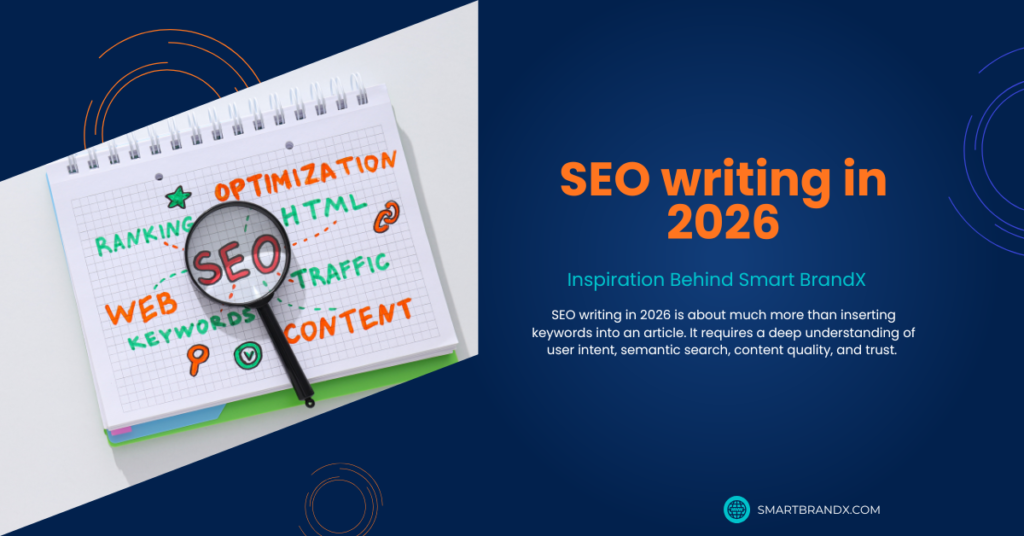
SEO writing in 2026 is about much more than inserting keywords into an article. It requires a deep understanding of user intent, semantic search, content quality, and trust. By applying the 12 powerful SEO writing strategies outlined in this guide, you can create content that serves your audience while improving your visibility in search results.

Focus on solving real problems, organizing your content into topic clusters, demonstrating genuine expertise, and continuously updating your articles to keep them relevant. Combine these practices with strong on-page SEO, effective internal linking, and performance analysis to build sustainable organic growth.

Remember that SEO is a long-term investment. Consistently publishing valuable, well-structured, and trustworthy content will help establish your website as an authoritative resource in your niche. Over time, this approach can lead to higher rankings, increased organic traffic, stronger user engagement, and improved conversions.

The search landscape will continue to evolve, but one principle remains constant: websites that prioritize helping users will always have the greatest opportunity to succeed.

Final Takeaways

  • Prioritize user intent over keyword stuffing.
  • Build topical authority with content clusters.
  • Use semantic SEO and related keywords naturally.
  • Demonstrate E-E-A-T in every article.
  • Create original, people-first content.
  • Improve readability with clear formatting.
  • Optimize all on-page SEO elements.
  • Write compelling headlines to boost CTR.
  • Strengthen your internal linking strategy.
  • Refresh existing content regularly.
  • Format content for featured snippets and AI search experiences.
  • Measure performance and refine your strategy continuously.

By consistently applying these SEO writing strategies, you’ll be well-positioned to dominate search results in 2026 and beyond.

FAQs (Frequently Asked Questions) 

1: What is SEO writing, and why is it important in 2026?

SEO writing strategies are the process of creating content that is optimized for search engines while providing genuine value to readers. In 2026, it focuses on user intent, semantic SEO, and E-E-A-T principles, helping websites improve rankings, attract qualified traffic, and increase engagement through helpful, high-quality content.

2: How do I write SEO-friendly content that ranks higher?

Start by researching relevant keywords, understanding user intent, and creating a detailed outline. Use clear headings, naturally incorporate keywords and related terms, optimize your meta title and description, add internal links, and ensure your content is informative, original, and easy to read.

3: What is user intent in SEO writing strategies?

User intent refers to the reason behind a search query. It can be informational, navigational, commercial, or transactional. Understanding user intent helps you create content that directly answers users’ questions, improves engagement, and increases the likelihood of ranking higher in search engine results.

4: What are LSI keywords, and should I use them?

LSI keywords are related words and phrases that provide context to your main topic. Although modern search engines rely on semantic understanding rather than traditional LSI technology, using relevant keywords naturally helps search engines better understand your content and improves topical relevance.

5: How often should I update my SEO content?

Review and update your important content every six to twelve months. Refresh outdated information, add new examples, improve keyword optimization, fix broken links, and expand sections where necessary. Regular updates signal freshness to search engines and help maintain strong search rankings.

6: Does AI-generated content rank well on Google?

AI-generated content can rank if it is accurate, original, and genuinely helpful. However, relying solely on AI isn’t enough. Human editing, real-world experience, unique insights, and adherence to E-E-A-T principles are essential for creating high-quality content that performs well in search results.

7: What is E-E-A-T, and why does it matter for SEO writing strategies?

E-E-A-T stands for Experience, Expertise, Authoritativeness, and Trustworthiness. These quality signals help search engines evaluate content credibility. Demonstrating firsthand experience, providing accurate information, citing reliable sources, and maintaining transparency can improve your website’s authority and long-term SEO writing strategy performance.

8: How many keywords should I include in an SEO article?

Use your primary keyword naturally throughout the article without overstuffing. Include it in the title, introduction, at least one subheading, and conclusion. Also, incorporate related keywords and semantic phrases to improve topic relevance while maintaining a smooth and natural reading experience.

9: Why are internal links important for SEO?

Internal links connect related pages within your website, helping search engines understand your site’s structure and distribute page authority. They also improve navigation, encourage visitors to explore more content, increase time on site, and strengthen your website’s overall topical authority.

10: What is the biggest SEO writing mistake to avoid?

The biggest mistake is writing for search engines instead of people. Keyword stuffing, publishing thin content, and ignoring user intent can hurt rankings. Focus on creating original, comprehensive, and engaging content that solves readers’ problems while following modern SEO writing strategies and best practices.

Why Every “SEO Is Dead” Article Is Wrong (And What’s Actually Happening)

For more than a decade, marketers have repeatedly claimed that SEO is dead. Every big algorithm update, AI advance, or search engine change brings a new wave of articles. They often predict the end of search engine optimization. SEO still brings in billions of website visits. It is one of the best digital marketing strategies out there.

The truth is that SEO is not dying—it is evolving. Search engines are getting smarter. User expectations are rising. Also, artificial intelligence is changing how people find information. Businesses that create valuable content and improve user experience grow naturally. They also show their expertise.

At Smart Brand X, we see that websites focused on quality, relevance, and user intent win out over those that rely on outdated tactics. Modern SEO is no longer about keyword stuffing or manipulating rankings. It focuses on giving users the best experience. At the same time, it helps search engines understand your content.

The real story isn’t that SEO is dead. SEO is getting smarter, more user-centered, and more crucial than ever.

Key Takeaways

The SEO landscape has changed dramatically, but its importance remains undeniable. Businesses, marketers, and content creators who grasp these changes can thrive in today’s digital world.

Here are the most important insights:

  1. SEO is not dead; it has evolved alongside search engine technology.
  2. Search engines prioritize user experience, expertise, authority, and trustworthiness.
  3. AI-powered search results are changing how content displays, but organic visibility still matters.
  4. High-quality content remains one of the strongest ranking factors.
  5. Technical SEO continues to play a critical role in website performance.
  6. Search intent is more important than keyword density.
  7. Brand authority significantly influences rankings and user trust.
  8. User engagement signals help search engines determine content quality.
  9. Mobile optimization is essential for modern SEO success.
  10. Voice search and AI search experiences are creating new optimization opportunities.
  11. Businesses that adapt to changing search trends continue to achieve organic growth.
  12. Long-term SEO investments often provide better returns than relying solely on paid advertising.
  13. SEO now encompasses content strategy, user experience, technical performance, and brand credibility.
  14. Companies that embrace SEO evolution gain a competitive advantage.
  15. The future belongs to businesses that create genuinely helpful content for real users.

What Is SEO?

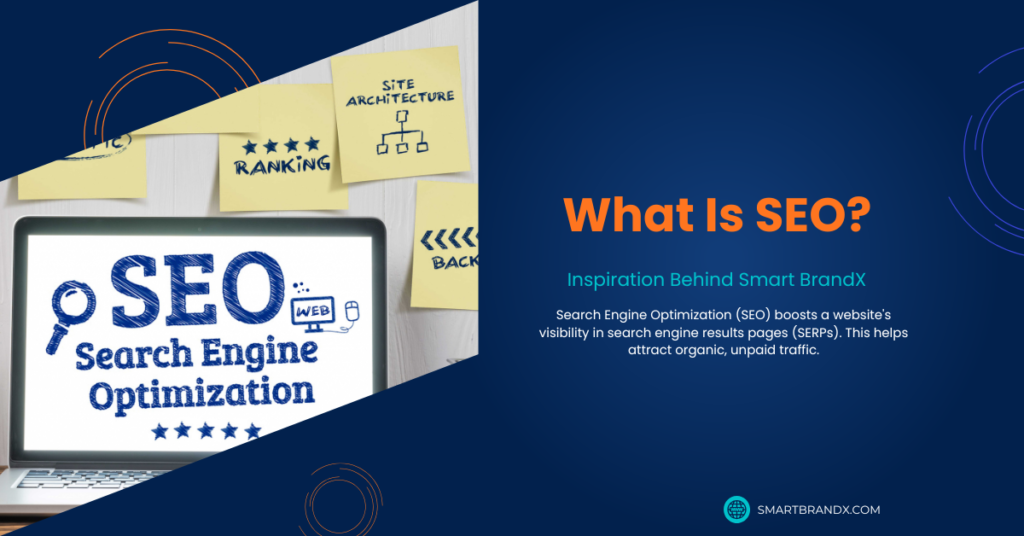
Search Engine Optimization (SEO) boosts a website’s visibility in search engine results pages (SERPs). This helps attract organic, unpaid traffic. The goal of SEO is to help search engines understand your content while ensuring users can easily find the information they need.

Search Engine Optimization (SEO) includes technical fixes, content creation, improving user experience, and building authority. These efforts boost rankings and attract targeted visitors.

When users look for products, services, answers, or solutions, search engines check millions of web pages. They find the most relevant results quickly. Effective SEO helps your website become one of those recommended results.

Today, SEO extends far beyond traditional keyword optimization. Modern SEO focuses on satisfying user intent and delivering exceptional value.

Essential Components of SEO

  • Keyword research and search intent analysis
  • On-page SEO optimization
  • Technical SEO improvements
  • Content creation and optimization
  • Internal linking strategies
  • Mobile-friendly website design
  • Page speed optimization
  • User experience enhancements
  • Backlink acquisition
  • Local SEO optimization
  • Schema markup implementation
  • Brand authority development

Benefits of SEO

  • Increased organic website traffic
  • Higher search engine rankings
  • Improved brand awareness
  • Better user experience
  • Increased lead generation
  • Long-term marketing ROI
  • Greater online credibility
  • Competitive advantage

At Smart Brand X, we view SEO as a complete digital growth strategy rather than a simple ranking tactic.

Is SEO Dead?

No, SEO is not dead.

If SEO were dead, businesses would lose organic traffic. Search engines wouldn’t show website results. Companies would also stop investing in SEO. None of these things is happening.

In reality, search engines process billions of searches every day. Users still rely on search engines to discover products, services, businesses, and information. Organic search continues to be one of the largest traffic sources for most websites.

The misconception arises because many outdated SEO techniques no longer work. Keyword stuffing, bad backlinks, duplicate content, and tricky optimization don’t work anymore.

Why People Think SEO Is Dead?

  • Frequent algorithm updates
  • AI-generated search results
  • Increased competition
  • Declining effectiveness of outdated tactics
  • Rise of social media platforms
  • Changes in user search behavior
  • More sophisticated ranking systems

Why SEO Is Still Alive?

  • Search engines still need quality content
  • Organic traffic remains valuable
  • Businesses continue investing heavily in SEO
  • Search demand continues growing
  • User intent still drives search behavior
  • Technical optimization remains important
  • Content quality directly impacts visibility

Rather than disappearing, SEO has matured into a more comprehensive and strategic discipline.

SEO Isn’t Dying (It’s Just Changing)

SEO is undergoing one of the biggest transformations in its history. AI, machine learning, and changing user habits are transforming how search engines assess and show content.

Search engines now prioritize helpfulness, expertise, trust, and user satisfaction. This shift rewards businesses that genuinely help their audiences.

Major SEO Changes Happening Today

  • AI-powered search experiences
  • Greater emphasis on user intent
  • Increased importance of brand authority
  • Enhanced content quality standards
  • More personalized search results
  • Voice search optimization opportunities
  • Improved search engine understanding of context

What Modern SEO Looks Like

  • Creating comprehensive content
  • Building topical authority
  • Improving user experience
  • Optimizing website performance
  • Demonstrating expertise
  • Earning trustworthy backlinks
  • Developing a recognizable brand

What No Longer Works

  • Keyword stuffing
  • Thin content
  • Spammy backlinks
  • Duplicate content
  • Manipulative SEO tactics
  • Low-quality guest posting

At Smart Brand X, we see these changes as opportunities. Adaptable businesses can earn better rankings and grow sustainably. They should focus on quality instead of taking shortcuts.

I Tested SEO in 2026 for 90 Days. The Results Shocked Me

To evaluate whether SEO still works in 2026, I conducted a 90-day experiment using a content-focused website strategy.

The approach was straightforward. I stopped chasing algorithms. Instead, I focused on creating useful content, optimizing performance, and enhancing user experience.

90-Day Strategy Used:

  • Published high-quality content consistently
  • Targeted user intent rather than keywords alone
  • Improved website speed
  • Enhanced mobile usability
  • Strengthened internal linking
  • Updated outdated content
  • Added structured data markup
  • Focused on topical authority

Results After 90 Days

  • Organic traffic increased significantly
  • More keywords ranked on the first page
  • User engagement improved
  • Bounce rates decreased
  • Average session duration increased
  • Lead generation improved
  • Search visibility expanded across multiple topics

Most Surprising Discovery

The biggest surprise was that AI-driven search changes did not eliminate organic traffic. Instead, websites with authoritative, helpful, and well-structured content continued gaining visibility.

The experiment highlighted a key lesson: SEO success in 2026 relies more on truly helping users than on gaming algorithms.

Businesses that focus on expertise, trust, relevance, and great content can still succeed in organic search.

At Smart Brand X, we see that this matches what works in SEO: quality always beats shortcuts.

Conclusion

The claim that SEO is dead resurfaces every few years, but the evidence tells a very different story. Search engines are still a main way people find information, products, services, and brands online. What has changed is the way SEO works.

Modern SEO isn’t just about finding loopholes or following algorithms. It aims to create valuable content and understands what users want. It provides great experiences and builds trust.

AI search, machine learning, and changing user behaviors are reshaping the digital world. So, businesses need to adjust their strategies. Those who focus on quality, relevance, expertise, and user satisfaction will continue to thrive in search results. The best websites don’t try to trick search engines. They focus on helping users find the answers they need.

At Smart Brand X, we believe the future of SEO is brighter than ever for businesses willing to embrace change. SEO is not dying—it is evolving into a smarter, more user-centric discipline. Investing in smart SEO helps companies get steady organic traffic. It builds brand authority and leads to long-term growth.

Frequently Asked Questions (FAQs)

1: Is SEO still worth investing in during 2026?

Yes. SEO remains one of the most cost-effective digital marketing channels. Search engines are always changing. Businesses that prioritize valuable content and user experience still achieve strong organic visibility. This leads to steady traffic and long-term returns, often beating short-term paid ads.

2: Has AI replaced SEO?

No. AI has changed how search engines present information, but it has not replaced SEO. Search engines still rely on websites as primary information sources. AI boosts the demand for clear, reliable, and organized content. This helps search engines trust and rank it better.

3: Why do people keep saying SEO is dead?

Many people make this claim when search engines introduce major updates. Outdated SEO tactics often fail. This leads some marketers to think that SEO doesn’t work anymore. SEO evolves with new technology and user needs instead of vanishing completely.

4: What are the most important SEO ranking factors today?

Key ranking factors are:

  • Content quality
  • User intent satisfaction
  • Website experience
  • Mobile optimization

Also important are page speed, expertise, authority, trustworthiness, internal linking, and relevant backlinks. Search engines prioritize websites that provide genuine value to users.

5: Does keyword research still matter?

Absolutely. Keyword research is key. It helps businesses know what users want to find. Modern SEO emphasizes search intent and topic relevance instead of just repeating keywords in content.

6: How long does SEO take to show results?

SEO is a long-term strategy. Some improvements may become visible within a few weeks, but meaningful results often take three to six months or longer. Competition, website authority, content quality, and industry niche all affect how long things take.

7: Can small businesses compete with large brands in SEO?

Yes.

  • Small businesses can thrive by:
  • Targeting niche topics.
  • Focusing on local SEO.
  • Creating relevant content.
  • Building authority in specific industries.

Many smaller websites outperform larger competitors by providing more focused and valuable information.

8: What is the future of SEO?

The future of SEO will focus on user experience, AI-driven searches, topical authority, trust, and content quality. Businesses that regularly share useful content and adjust to new search tech will enjoy organic search traffic for years.

What Is Technical SEO? Everything You Need to Know to Rank #1 in 2026

Technical SEO lays a strong foundation for lasting organic growth in today’s changing SEO landscape. In 2026, search engines and AI tools will be smarter. So, websites need to be designed for both users and crawlers, algorithms, and machine learning systems. Technical SEO improves a website’s setup. This helps search engines crawl, index, understand, and rank its pages better.

At Smart Brand X, we think technical SEO is key to a successful digital marketing strategy. Even great content can struggle to rank. This can happen because of crawling issues, indexing problems, slow loading, or a poorly designed website.

Modern technical SEO involves optimizing:

  • Site speed
  • Mobile usability
  • Structured data
  • XML sitemaps
  • Canonicalization
  • Core Web Vitals
  • AI crawler access
  • JavaScript rendering
  • And more.

These improvements make it easier for search engines to grasp your content. They also enhance the user experience.

Mastering technical SEO is essential for any site. This includes eCommerce stores, SaaS platforms, local businesses, and enterprise publications. It can improve your visibility, rankings, traffic, and conversions. This guide has all you need to know about technical SEO in 2026.

What Is Technical SEO?

Technical SEO means improving a website’s tech setup. This helps search engines crawl, index, render, and rank the site’s content better. Technical SEO is different from on-page and off-page SEO. On-page SEO targets content and keywords. Off-page SEO focuses on backlinks. In contrast, technical SEO makes sure your website works well for search engines.

Search engines like Google use automated crawlers to discover webpages across the internet. Once discovered, pages are analyzed, indexed, and evaluated for rankings. Technical SEO removes obstacles that could prevent search engines from understanding your website.

A well-optimized website clearly shows relevance, hierarchy, links, and user experience. This makes it easier for search engines and AI systems to process your content and present it to users.

Technical SEO includes many factors:

  • Website architecture
  • Page speed
  • Mobile responsiveness
  • HTTPS security
  • Structured data
  • Crawl budget management
  • XML sitemaps
  • Canonical tags
  • Robots directives
  • Core Web Vitals optimization

AI-driven search is changing. Technical SEO helps AI assistants and language models grasp your website and brand.

Essential Elements of Technical SEO:

  • Website crawlability
  • Search engine indexing optimization
  • XML sitemap management
  • Robots.txt optimization
  • HTTPS implementation
  • Mobile usability
  • Page speed improvements
  • Core Web Vitals optimization
  • Structured data markup
  • Canonical tag implementation
  • JavaScript rendering optimization
  • International SEO (hreflang)
  • AI crawler accessibility
  • Broken link management
  • Duplicate content prevention

When done right, technical SEO builds a solid base. This base helps all your other SEO efforts on the site.

Why Is Technical SEO Important?

Technical SEO matters. Search engines can’t rank pages they can’t access, understand, or index. Great content and strong backlinks might not improve your rankings. If technical issues block search engines from processing your site, you’ll struggle to be seen.

Modern search algorithms prioritize websites that offer excellent user experiences.
Technical SEO affects key ranking factors like:

  • Page speed
  • Mobile usability
  • Site security
  • Structured data
  • Core Web Vitals

These elements matter for better search rankings.

In 2026, technical SEO has become even more important due to AI-powered search systems. Search engines now use machine learning models more and more.

These models help them:

  • Understand content
  • Check website quality
  • Provide better search results

Technical optimization helps these systems better understand your content.

Technical SEO also improves crawl efficiency. Search engines allocate limited crawl resources to every website. Optimizing properly makes sure your resources focus on key pages. This way, you avoid wasting them on duplicates, redirects, or low-value URLs.

Technical SEO helps businesses by boosting organic traffic. It improves rankings, enhances user engagement, and increases conversion rates. It creates a seamless experience that benefits both visitors and search engines.

Key Benefits of Technical SEO:

  • Improves search engine crawlability
  • Enhances indexing efficiency
  • Boosts page rankings
  • Improves user experience
  • Increases website speed
  • Supports mobile optimization
  • Strengthens website security
  • Helps AI systems understand content
  • Reduces duplicate content issues
  • Improves website accessibility
  • Supports international SEO efforts
  • Increases organic traffic potential

Without technical SEO, a strong content marketing strategy may not reach its full ranking potential.

Understanding Crawling and How to Optimize for It?

Crawling is how search engine bots find webpages on the internet. Search engines use crawlers to explore links. They analyze content and decide which pages to index. If crawlers cannot access your pages efficiently, rankings may suffer. Technical SEO helps search engine bots find, view, and understand your website easily.

1: Create an SEO-Friendly Site Architecture

A good site structure helps search engines see how pages relate. It also makes it easier for users to navigate. A logical structure improves crawl efficiency and distributes authority throughout your website.

The best website design has a clear hierarchy. Important pages should be easy to reach within a few clicks from the homepage. Categories, subcategories, and content pages should form a clear navigation path.

Internal linking plays a major role in architecture optimization. Search engines use internal links to discover pages and understand content relevance. Orphan pages that lack internal links may remain undiscovered.

An SEO-friendly structure also improves user experience by helping visitors find information quickly.

Best Practices:

  • Use logical category structures
  • Keep important pages close to the homepage
  • Create clear navigation menus
  • Use descriptive URLs
  • Build strong internal linking systems
  • Eliminate orphan pages
  • Organize content into topical clusters
  • Maintain consistent URL structures

A strong site architecture establishes the foundation for successful technical SEO.

2: Submit Your Sitemap to Google

An XML sitemap acts as a roadmap for search engines. It provides information about important pages, update frequency, and content relationships.

Submitting a sitemap helps search engines discover pages faster, especially on large websites. Google finds pages through links, but a sitemap makes sure important URLs get noticed.

Updating your sitemap often helps search engines discover new content and changes on your site.

Google Search Console provides a simple method for sitemap submission and monitoring.

Sitemap Best Practices:

  • Include only indexable URLs
  • Update automatically when content changes
  • Remove redirected URLs
  • Exclude duplicate pages
  • Submit through Google Search Console
  • Monitor indexing status regularly
  • Use separate sitemaps for large websites
  • Ensure sitemap accessibility

An optimized sitemap improves crawl efficiency and indexing coverage.

3: Allow the Right AI Crawlers

AI search systems increasingly rely on specialized crawlers to collect website information. Allowing trusted AI crawlers can improve content visibility across AI-powered search experiences.
Many businesses unintentionally block AI crawlers through restrictive robots.txt settings. Reviewing crawler permissions ensures your content remains accessible where appropriate.

Not all AI crawlers serve the same purpose. Some enhance search engines. Others train AI systems or boost conversational search experiences.
Website owners should evaluate crawler policies and business goals before making access decisions.

Best Practices:

  • Review robots.txt directives
  • Allow reputable search-related AI crawlers
  • Monitor crawler activity
  • Stay updated on AI crawler policies
  • Protect sensitive content appropriately
  • Balance visibility with content control
  • Track AI referral traffic
  • Document crawler permissions

Strategic AI crawler management supports future search visibility.

4: JavaScript Rendering and Crawlability

Modern websites use JavaScript frameworks a lot. However, search engines can have trouble processing content made with JavaScript.

If key content loads only after JavaScript runs, search engines may delay indexing or miss it.

Proper rendering strategies improve crawlability and content discovery.

Server-side rendering (SSR), static site generation (SSG), and hybrid rendering can improve SEO.

Optimization Tips:

  • Ensure important content exists in rendered HTML
  • Use server-side rendering where possible
  • Test pages using URL inspection tools
  • Avoid hiding critical content behind scripts
  • Optimize JavaScript file sizes
  • Monitor rendering issues
  • Use progressive enhancement
  • Validate rendered content regularly

JavaScript SEO is essential for modern websites.

Understanding Indexing and How to Optimize for It

Indexing happens after search engines crawl a page. They then decide if it should show up in search results. Not every crawled page gets indexed. Search engines check for quality, uniqueness, relevance, and technical signals. They do this before adding pages to their index. Proper indexing optimization ensures valuable content becomes eligible for rankings.

1: Use the Noindex Tag Carefully

The noindex directive tells search engines not to include a page in search results. While useful, improper implementation can accidentally remove valuable pages from Google’s index.

Many websites accidentally use noindex directives while developing. They often forget to remove these after launching.

Noindex should be reserved for pages that provide little search value.

Common Uses:

  • Thank-you pages
  • Internal search result pages
  • Duplicate archives
  • Staging environments
  • Low-value utility pages
  • Login pages
  • Admin sections
  • Temporary content

Regular audits help prevent accidental deindexing of important pages.

2: Implement Canonical Tags Where Needed

Canonical tags show search engines which version of similar or duplicate pages is preferred.

Duplicate content can occur due to:

  • URL parameters
  • Changes in categories
  • Sorting options
  • Tracking URLs

Canonical tags help combine ranking signals. They stop search engines from indexing different versions of the same content.

Best Practices:

  • Use self-referencing canonicals
  • Canonicalize duplicate pages
  • Avoid canonical chains
  • Ensure consistency with redirects
  • Verify implementation regularly
  • Use absolute URLs
  • Monitor Search Console reports
  • Support large eCommerce websites

Canonicalization strengthens indexing efficiency and ranking consolidation.

Additional Technical SEO Best Practices

Technical SEO is an ongoing process rather than a one-time task. Search engine algorithms constantly evolve, requiring websites to adapt and improve. Regular technical audits and monitoring of website performance can boost your rankings.

Fixing crawl errors and following modern SEO standards are also key steps. Businesses that often enhance their site’s technical setup tend to outperform their rivals. They offer better user experiences and send clearer signals to search engines.

Here are some best practices to keep your website competitive and boost its ranking in 2026 and beyond.

1: Use HTTPS

HTTPS (Hypertext Transfer Protocol Secure) is a safe version of HTTP. It encrypts data shared between a user’s browser and your website. Security is now a key ranking factor. Search engines favor websites that safeguard user information and offer safe browsing experiences.
HTTPS helps prevent cyberattacks, protects sensitive customer data, builds trust, and improves credibility. Visitors are more likely to engage with websites displaying the secure padlock icon in their browser.

HTTPS is key for eCommerce sites, lead-generation tools, and any site that collects personal info. Modern browsers might mark non-HTTPS sites as “Not Secure.” This can make visitors hesitant to stay on the site.

Migrating to HTTPS means you need to:

  • Get an SSL certificate.
  • Update internal links.
  • Set up proper redirects.
  • Ensure all resources load securely.

Essential HTTPS Best Practices:

  • Install a valid SSL certificate.
  • Redirect all HTTP URLs to HTTPS.
  • Update canonical tags to HTTPS URLs.
  • Ensure all images and scripts load securely.
  • Renew SSL certificates before expiration.
  • Monitor mixed-content warnings.
  • Verify HTTPS implementation in Google Search Console.
  • Update sitemap URLs to HTTPS versions.

A secure website builds trust. It boosts user experience and search engine rankings. Plus, it protects important customer data.

2: Find & Fix Duplicate Content Issues

Duplicate content occurs when identical or highly similar content appears on multiple URLs. This confuses search engines. They find it hard to decide which version should rank in search results.

Duplicate content may happen because of:

  • URL parameters
  • Session IDs
  • Printer-friendly pages
  • Category pages
  • Pagination issues
  • Copied content

When there are several versions of the same content, ranking signals can get mixed up. This can lower overall visibility.

Fixing duplicate content helps with crawling and keeps authority on important pages. Canonical tags play a crucial role by telling search engines which version should be indexed and ranked.

Regular content audits help identify duplicate pages before they impact rankings. SEO tools can uncover duplicate titles, meta descriptions, and content blocks requiring optimization.

Essential Duplicate Content Fixes:

  • Implement canonical tags.
  • Use 301 redirects where necessary.
  • Consolidate similar pages.
  • Avoid publishing copied content.
  • Standardize URL structures.
  • Monitor parameter-generated pages.
  • Optimize category and filter pages.
  • Review duplicate meta titles and descriptions.

Managing duplicate content helps search engines know which pages you prefer. This way, they can give ranking signals accurately.

3: Make Sure Only One Version of Your Website Is Accessible to Users and Crawlers

Many websites unintentionally create multiple versions of the same site, such as:

  • http://example.com
  • https://example.com
  • www.example.com
  • non-www.example.com

If all versions stay accessible, search engines might see them as different sites. This can lead to duplicate content problems and split ranking authority.

Pick a main domain version and redirect other versions to it. This boosts authority and enhances SEO performance. Search engines can then focus on indexing the correct version.

Consistent URLs help improve analytics tracking, link equity, and website management.

Website owners should check their URL structure often. This makes sure all redirects function properly. It also stops any duplicate versions from getting indexed.

Essential Domain Consolidation Practices:

  • Choose either www or non-www.
  • Redirect all alternate versions.
  • Maintain consistent internal linking.
  • Update canonical tags.
  • Verify preferred version in Search Console.
  • Check for redirect loops.
  • Update XML sitemaps.
  • Monitor crawl reports regularly.

A single accessible version strengthens SEO authority and improves crawl efficiency.

4: Improve Your Page Speed

Page speed directly impacts user experience, engagement, conversions, and search rankings. Slow websites frustrate visitors and increase bounce rates.

Search engines favor fast-loading websites because they provide better experiences. Every second of delay can negatively affect user satisfaction and conversion rates.
To improve page speed, you can:

  • Optimize images
  • Reduce server response times
  • Minimize unnecessary code
  • Leverage browser caching
  • Use content delivery networks (CDNs)

Page speed optimization is an ongoing task. Websites constantly add new content, plugins, scripts, and design elements.

Essential Page Speed Improvements:

  • Compress images before uploading.
  • Enable browser caching.
  • Minify CSS, JavaScript, and HTML.
  • Use a reliable hosting provider.
  • Implement a CDN.
  • Reduce unnecessary plugins.
  • Enable GZIP compression.
  • Optimize database performance.

Faster websites improve user satisfaction while supporting stronger search engine rankings.

5: Ensure Your Website Is Mobile-Friendly

Mobile-first indexing means search engines look at your website’s mobile version first for rankings.

A mobile-friendly website adapts seamlessly across different screen sizes and devices. Visitors can navigate easily. They can read content and take action without zooming or scrolling a lot.

Responsive design, optimized images, and touch-friendly navigation all boost mobile experiences. Fast loading speeds also play a key role.
Mobile traffic is taking over internet use. So, businesses must ensure their mobile usability is strong.

Essential Mobile SEO Practices:

  • Use responsive web design.
  • Optimize font sizes.
  • Improve mobile page speed.
  • Ensure touch-friendly buttons.
  • Avoid intrusive popups.
  • Test pages on multiple devices.
  • Compress mobile images.
  • Simplify navigation menus.

A mobile-friendly website improves rankings, user engagement, and conversion opportunities.

6: Use Breadcrumb Navigation

Breadcrumb navigation helps users and search engines understand website hierarchy. It displays a trail showing the user’s current location within the site structure.

Breadcrumbs improve usability by allowing visitors to navigate back to previous sections easily. They also help search engines understand page relationships and category structures.

Well-implemented breadcrumbs can appear in search results, enhancing visibility and click-through rates.

Essential Breadcrumb Practices:

  • Use logical site hierarchy.
  • Implement breadcrumb structured data.
  • Display breadcrumbs consistently.
  • Keep labels descriptive.
  • Link to parent categories.
  • Avoid overly complex structures.
  • Ensure mobile compatibility.
  • Monitor breadcrumb functionality.

Breadcrumbs improve navigation, crawlability, and user experience.

7: Use Pagination

Pagination divides large collections of content into manageable pages. Examples include blog archives, category listings, product catalogs, and search results.

Proper pagination prevents excessively long pages while helping search engines understand content organization.

Poor pagination can lead to crawl inefficiencies, duplicate content concerns, and indexing issues.

Essential Pagination Practices:

  • Maintain logical page sequences.
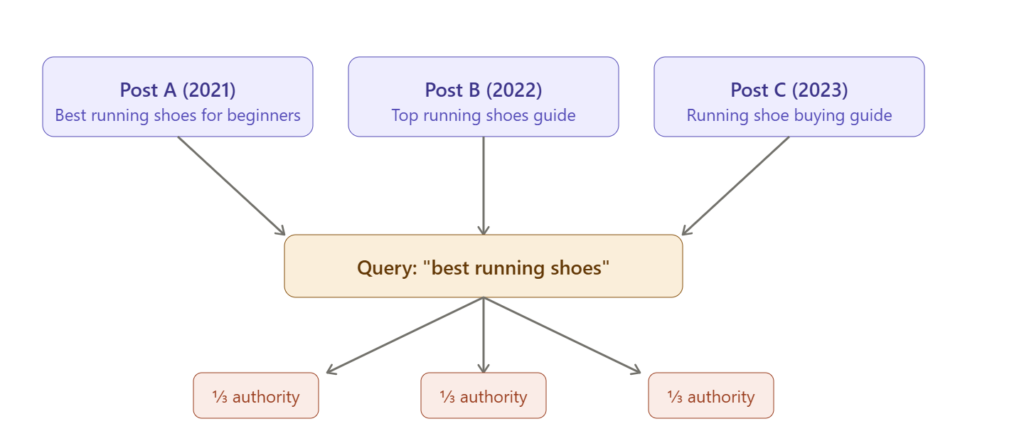
  • Use clear navigation controls.
  • Avoid orphaned pages.
  • Optimize paginated titles.
  • Provide crawlable links.
  • Monitor crawl depth.
  • Maintain user-friendly URLs.
  • Test pagination regularly.

Effective pagination improves usability and crawl efficiency.

8: Review Your Robots.txt File

The robots.txt file tells search engine crawlers what parts of your website to visit or avoid.

A well-set robots.txt file stops the crawling of less important areas. This helps save crawl budget for key pages.

However, mistakes in robots.txt can accidentally block valuable content from search engines.

Essential Robots.txt Practices:

  • Review the file regularly.
  • Avoid blocking important pages.
  • Include sitemap references.
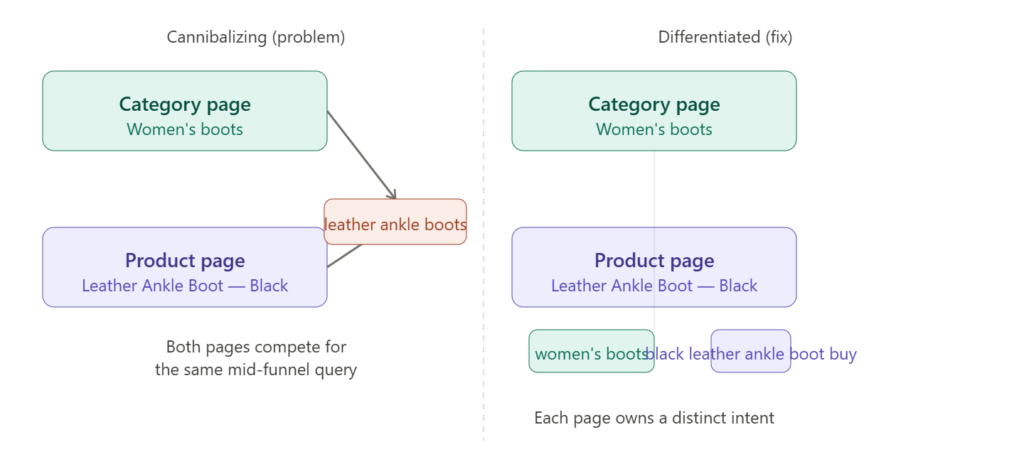
  • Test directives carefully.
  • Monitor crawl reports.
  • Restrict admin areas.
  • Document file changes.
  • Audit after website updates.

A well-maintained robots.txt file supports efficient crawling and indexing.

9: Implement Structured Data

Structured data helps search engines understand content context through standardized schema markup.

A schema can create rich results. These include ratings, FAQs, product info, business details, and event listings.

Enhanced search listings often improve click-through rates and increase visibility.

Essential Structures Data Practices:

  • Use Schema.org markup.
  • Validate schema implementation.
  • Add FAQ schema.
  • Implement organization schema.
  • Use product schema where applicable.
  • Monitor rich result reports.
  • Keep data updated.
  • Follow search engine guidelines.

Structured data improves content understanding and search visibility.

10: Find & Fix Broken Pages

Broken pages create poor user experiences and waste crawl resources. Common causes include deleted pages, URL changes, and incorrect internal links.
Visitors encountering 404 errors may leave your website, reducing engagement and conversions.

Regular website audits help identify broken pages before they negatively impact SEO performance.

Essential Broken Pages Fixes:

  • Monitor 404 errors.
  • Implement 301 redirects.
  • Update internal links.
  • Fix broken backlinks.
  • Remove obsolete URLs.
  • Audit the website regularly.
  • Check navigation links.
  • Improve error page usability.

Fixing broken pages strengthens user experience and SEO performance.

11: Optimize for Core Web Vitals

Core Web Vitals show how real users experience your site. They look at loading speed, responsiveness, and visual stability.

Key metrics include:

  • Largest Contentful Paint (LCP)
  • Interaction to Next Paint (INP)
  • Cumulative Layout Shift (CLS)

Improving these metrics enhances user satisfaction and search visibility.

Essential Core Web Vitals Improvements:

  • Optimize server response times.
  • Reduce render-blocking resources.
  • Compress images.
  • Reserve space for media elements.
  • Improve JavaScript efficiency.
  • Use lazy loading.
  • Monitor performance regularly.
  • Test across devices.

Strong Core Web Vitals contribute to better rankings and user experiences.

12: Use hreflang for Content in Multiple Languages

Websites targeting multiple countries or languages should implement hreflang tags. These tags help search engines show users the right language or regional version.

Without hreflang, search engines might show the wrong language page. This can hurt engagement and conversions.

Essential hreflang Practices:

  • Define language variations clearly.
  • Use reciprocal hreflang tags.
  • Verify implementation accuracy.
  • Support regional targeting.
  • Maintain consistent URLs.
  • Test language versions regularly.
  • Include self-referencing tags.
  • Update tags after content changes.

Proper hreflang implementation improves international SEO performance.

13: Stay on Top of Technical SEO Issues

Technical SEO is not a one-time project. Websites constantly evolve through content updates, redesigns, plugin installations, and platform changes.

Regular monitoring helps identify issues before they impact rankings and traffic.

SEO professionals should conduct periodic audits to maintain website health.

Essential Monitoring Activities:

  • Schedule technical audits.
  • Track indexing issues.
  • Monitor Core Web Vitals.
  • Review crawl errors.
  • Analyze server logs.
  • Check structured data.
  • Evaluate page speed.
  • Monitor search performance.

Proactive maintenance prevents small problems from becoming major SEO challenges.

14: Reduce Ambiguity Across Formats

Search engines now use various content formats. This helps them understand entities, brands, products, and topics better. Clear text, images, videos, metadata, schema markup, and social profiles help reduce confusion.

When information varies between platforms, search engines struggle to find trust and relevance.

Businesses should keep their branding, naming, and information consistent across all digital platforms.

Essential Consistency Practices:

  • Standardize brand names.
  • Maintain consistent contact details.
  • Align schema markup.
  • Optimize image metadata.
  • Use consistent author information.
  • Verify social media profiles.
  • Standardize product descriptions.
  • Maintain content accuracy.

Reducing ambiguity strengthens search engine understanding and improves visibility.

Putting It All Together

Technical SEO is still a key factor in boosting organic search performance in 2026. Strong content and good backlinks matter, but they need a solid website to shine.

A strong technical SEO strategy helps search engines crawl and index your content. It also makes it easier for them to understand what you offer. It also focuses on providing great user experiences. Every technical element boosts website performance.

This includes:

  • HTTPS
  • Page speed
  • Core Web Vitals
  • Structured data
  • Mobile usability
  • International targeting

Businesses that neglect technical SEO often face hidden obstacles that limit growth. Slow-loading pages, duplicate content, and broken links can lower visibility. Crawl errors and indexing issues also hurt your site’s presence. This happens even if the content is high quality. Websites that focus on technical optimization often get better rankings. They also see improved engagement and higher conversion rates.

At Smart Brand X, we see technical SEO as a long-term investment. It’s not just a one-time task. Regular audits, ongoing monitoring, and quick issue fixes keep your website healthy. This strategy supports lasting success in search results.

Top websites will shine because technical quality matters. Search engines care about user experience. Businesses that follow these best practices now are set for lasting growth. They will improve their online visibility and strengthen brand authority in the future.

Combine strong technical SEO, quality content, and smart link-building. This mix gives your website a solid base. It can reach top search engine rankings and draw valuable organic traffic in 2026 and beyond.

Frequently Asked Questions (FAQs)

1: What is the difference between technical SEO and on-page SEO?

Technical SEO focuses on website infrastructure, crawlability, indexing, security, speed, and performance. On-page SEO focuses on optimizing content, keywords, titles, headings, and internal links. Technical SEO helps search engines access and understand your site. On-page SEO shows how relevant each page is. Both are essential for achieving strong search rankings.

2: Why is technical SEO important for ranking in 2026?

Technical SEO helps search engines efficiently crawl, index, and evaluate websites.

Search engines now focus more on user experience. Key signals include:

  • Page speed
  • Mobile usability
  • Core Web Vitals
  • Security

Websites with solid technical foundations usually rank higher. They have better visibility and higher engagement metrics than those with technical flaws.

3: How often should I perform a technical SEO audit?

Most websites should conduct comprehensive technical SEO audits every three to six months. Large websites with frequent updates may require monthly reviews. Regular audits spot crawl errors, broken pages, duplicate content, and indexing issues. They also catch performance problems early. This way, you can fix these issues before they hurt your search rankings and organic traffic.

4: What tools can help with technical SEO?

Popular technical SEO tools are:

  • Google Search Console
  • Google Analytics
  • Screaming Frog
  • Sitebulb
  • Ahrefs
  • Semrush
  • GTmetrix
  • PageSpeed Insights

These tools help find crawl issues, check indexing, and evaluate page speed. They analyze website structure and find technical errors that can harm search performance.

5: Does page speed really affect SEO rankings?

Yes. Page speed is an important ranking factor because it directly affects user experience. Slow-loading websites often experience higher bounce rates and lower engagement. Search engines like fast-loading websites. They want smooth experiences on all devices. So, optimizing page speed is key for today’s SEO strategies.

6: What is structured data in SEO?

Structured data is code on webpages that helps search engines understand content better. It uses schema markup to define different entities. These include products, organizations, FAQs, reviews, events, and articles. Good implementation can boost search listings with rich results. This improves visibility and click-through rates.

7: Can duplicate content hurt SEO performance?

Yes. Duplicate content can confuse search engines and dilute ranking signals across multiple URLs. This can lower visibility and make it hard for search engines to find the main version of a page. Canonical tags, redirects, and content consolidation help prevent duplicate content issues.

8: What are Core Web Vitals?

Core Web Vitals are metrics that help search engines evaluate website performance for users.

They measure loading speed, interactivity, and visual stability using metrics like:

  • Largest Contentful Paint (LCP)
  • Interaction to Next Paint (INP)
  • Cumulative Layout Shift (CLS)

Optimizing these metrics improves both user experience and SEO outcomes.

What Is Black Hat SEO? What It Is, and Why It Will Destroy Your Website

Search engine optimization (SEO) is a great way to boost online visibility and draw in organic traffic. However, not all SEO practices follow search engine guidelines. Black hat SEO uses dishonest methods to boost search engine rankings. It focuses on tricking systems instead of offering real value to users.

These tactics might boost rankings for a while, but they break search engine rules and can result in serious penalties. Websites using black hat SEO can face ranking drops, lose traffic, get deindexed, and harm their online reputation for a long time.

It takes advantage of search engine flaws. It uses tactics like keyword stuffing, cloaking, hidden text, link schemes, and content automation. These methods might give a short-term boost in rankings, but search engines today are very good at spotting manipulation.

At Smart Brand X, we believe sustainable growth comes from ethical SEO strategies that prioritize user experience and search engine compliance.

For businesses that want sustainable growth, black-hat SEO is a risky strategy that can destroy years of hard work. Organizations should prioritise ethical SEO practices. This means focusing on user experience, making valuable content, and aiming for long-term search visibility instead of quick wins.

What Is Black Hat SEO?

Black hat SEO includes shady methods to trick search engines and boost rankings. These methods try to take advantage of search engine algorithms instead of enhancing website quality or user experience. The term “black hat” comes from old Western movies. In these films, villains wore black hats to show they were dishonest.

The primary goal of this SEO is to achieve higher rankings quickly. Many practitioners skip creating valuable content, earning natural backlinks, and improving website performance. Instead, they take shortcuts that break search engine rules. While these tactics may generate temporary results, they often lead to penalties when detected.

Search engines like Google update their algorithms all the time. They do this to spot websites that use manipulative practices. As a result, black hat SEO has become increasingly risky and ineffective in the long run.

Businesses using black hat techniques can face significant consequences. These include lower visibility, loss of organic traffic, and damaged credibility. In extreme cases, search engine results pages (SERPs) might even remove them.

Ethical SEO aims to provide high-quality content. It also enhances website usability and builds trust with users and search engines.

At Smart Brand X, we recommend focusing on ethical SEO strategies that align with search engine guidelines and deliver lasting results.

Key Characteristics of Black Hat SEO:

  • Violates search engine guidelines.
  • Focuses on short-term ranking gains.
  • Uses deceptive or manipulative tactics.
  • Prioritizes search engines over users.
  • Increases the risk of penalties and deindexing.
  • Damages brand reputation and trustworthiness.
  • Produces unsustainable SEO results.

Ultimately, black hat SEO is a high-risk strategy that may offer temporary benefits but often results in long-term losses.

Black Hat SEO vs. White Hat SEO

FactorBlack Hat SEOWhite Hat SEO
DefinitionUses manipulative techniques to improve rankings.Uses ethical methods that comply with search engine guidelines.
GoalAchieve quick ranking improvements.Build sustainable organic growth.
Search Engine ComplianceViolates search engine rules.Fully follows search engine policies.
User ExperienceOften ignores user needs.Prioritizes user satisfaction and engagement.
Content QualityFrequently relies on duplicate, thin, or automated content.Focuses on valuable, original, and informative content.
Link BuildingUses paid links, link farms, and schemes.Earns backlinks naturally through quality content.
Risk LevelExtremely high.Very low.
Long-Term ResultsUnstable and temporary.Sustainable and long-lasting.
Brand ReputationCan damage trust and credibility.Enhances authority and trustworthiness.
Algorithm UpdatesOften negatively impacted.Usually benefits from updates.
Cost of RecoveryCan be expensive and time-consuming.Requires ongoing optimization but avoids penalties.
PenaltiesHigh likelihood of manual or algorithmic penalties.Minimal risk of penalties.
Traffic StabilityTraffic may disappear suddenly.Traffic growth is generally steady.
Business ImpactCan result in lost revenue and visibility.Supports long-term business growth.

The key difference between black-hat SEO and white-hat SEO is intent. Black hat SEO attempts to manipulate rankings, while white hat SEO focuses on creating value for users and earning visibility naturally.

How Do Search Engines Detect Black Hat SEO Practices?

Search engines rely on smart algorithms, machine learning, and manual review teams to find websites that break SEO rules. Modern search engines look at billions of web pages. They can quickly spot suspicious patterns linked to manipulation.

Google looks at many ranking signals. These include content quality, backlink profiles, user engagement, website structure, and spam indicators. When unusual behavior is detected, algorithms may reduce rankings automatically.

Search engines use spam detection systems. These systems keep an eye on websites for strange activities. In some cases, websites receive manual actions after being reviewed by search quality teams.

Machine learning has greatly enhanced how search engines spot advanced black hat tactics. Even techniques that once worked effectively can now be identified with remarkable accuracy.

Common Detection Methods:

  • Analysis of unnatural backlink patterns.
  • Identification of keyword stuffing and over-optimization.
  • Detection of hidden text and hidden links.
  • Recognition of duplicate or scraped content.
  • Monitoring suspicious user behavior signals.
  • Discovering cloaking and deceptive redirects.
  • Evaluating content quality and originality.
  • Reviewing spam reports submitted by users.

As search engines change, black-hat SEO is harder to hide. So, ethical optimization is now the safest and most effective choice.

Black Hat SEO Techniques

This SEO includes various tricks that aim to unfairly boost search engine rankings. While these methods might bring quick results, they usually lead to harsh penalties if found out.

A common technique is keyword stuffing. This means adding too many keywords to the content in an unnatural way. Another tactic is cloaking, which presents different content to search engines and users.

Some website owners take part in link schemes. They buy backlinks or join private blog networks (PBNs). Others use automated content generation tools to publish large quantities of low-quality content.

These tactics aim to exploit ranking algorithms rather than provide genuine value to visitors.

Common Black Hat SEO Techniques:

  • Keyword stuffing.
  • Cloaking.
  • Hidden text and links.
  • Link farms.
  • Private Blog Networks (PBNs).
  • Paid backlinks.
  • Duplicate content.
  • Content scraping.
  • Doorway pages.
  • Sneaky redirects.
  • Automated content generation.
  • Comment spam.
  • Negative SEO attacks.
  • Click manipulation.
  • Structured data abuse.

Some of these methods may look effective initially, but search engines are improving. They can spot and punish manipulative behaviour more easily.

How to Resolve a Black Hat SEO Penalty?

Recovering from a black-hat SEO penalty means:

  • Finding violations
  • Fixing problems
  • Earning back trust with search engines

The process can be challenging, but it is essential for restoring rankings and traffic.

The first step is conducting a comprehensive SEO audit to identify problematic practices. Website owners should check backlinks, content quality, technical SEO, and user experience.

If the penalty is caused by unnatural backlinks, harmful links should be removed or disavowed. Duplicate content, hidden text, and keyword stuffing should be eliminated immediately.

For manual actions, website owners may need to submit a reconsideration request after fixing all violations. Recovery can take weeks or months, depending on the severity of the penalty.

Steps to Recover from a Black Hat SEO Penalty:

  • Conduct a complete SEO audit.
  • Identify the cause of the penalty.
  • Remove manipulative backlinks.
  • Eliminate hidden text and cloaking.
  • Improve content quality.
  • Remove duplicate and thin content.
  • Fix technical SEO issues.
  • Submit a reconsideration request if required.
  • Monitor rankings and traffic regularly.
  • Implement white hat SEO practices moving forward.

Patience is key during recovery. Search engines need time to review the website after you make corrections.

Why Should You Avoid Black Hat SEO?

Black hat SEO may seem attractive because it promises rapid ranking improvements, but the risks far outweigh the benefits. Search engines are getting better at spotting manipulation. As a result, penalties are now more common than ever.

A website hit with a penalty can quickly lose years of built-up authority and organic visibility. Businesses often see big drops in traffic, leads, conversions, and revenue after a penalty.

Beyond search engine penalties, this SEO damages brand credibility. Users who see spammy content, misleading redirects, or bad experiences are less likely to trust the business.

Additionally, recovering from penalties often requires significant financial investment, technical expertise, and time.

Reasons to Avoid Black Hat SEO:

  • High risk of search engine penalties.
  • Potential loss of organic traffic.
  • Reduced search visibility.
  • Damage to brand reputation.
  • Poor user experience.
  • Increased recovery costs.
  • Unsustainable ranking improvements.
  • Loss of customer trust.
  • Negative impact on conversions.
  • Risk of complete deindexing.

For long-term business success, ethical SEO remains the safest and most profitable approach.

How to Avoid Black Hat SEO?

Avoiding black-hat SEO starts with knowing search engine rules. It also means sticking to ethical optimisation methods. Businesses should focus on creating genuine value rather than attempting to manipulate rankings.

The foundation of sustainable SEO is high-quality content that addresses user needs and search intent. Websites should prioritize relevance, originality, and user experience.

Link-building should aim to earn backlinks naturally. You can do this by making useful resources, forming industry connections, and creating trusted content. Technical SEO improvements should also enhance website performance rather than exploit algorithm weaknesses.

Regular SEO audits can help identify potential issues before they become serious problems. Staying informed about algorithm updates and industry best practices is equally important.

Best Practices to Avoid Black Hat SEO:

  • Follow search engine webmaster guidelines.
  • Create original, high-quality content.
  • Focus on user intent.
  • Build natural backlinks.
  • Avoid purchasing links.
  • Use keywords naturally.
  • Improve website speed and usability.
  • Conduct regular SEO audits.
  • Monitor backlink quality.
  • Stay updated on SEO best practices.
  • Invest in long-term optimization strategies.
  • Prioritize transparency and trust.

Ethical SEO might take more time to show results. But it leads to sustainable growth, better rankings, and lasting online authority.

Conclusion

Black hat SEO seems appealing for quick rankings and traffic, but it’s actually one of the riskiest strategies for any website. Search engines like Google get smarter every day. They keep updating their algorithms to find and punish manipulative tactics. A quick fix today may lead to big problems for your website later.

For businesses and creators, the safest and most effective path is always ethical SEO. White-hat strategies focus on quality content, user experience, and long-term authority building. These methods may take more time, but they deliver stable rankings, consistent traffic, and stronger brand trust.

At Smart Brand X, we advise against black hat SEO. Instead, focus on sustainable SEO practices to protect your website’s future. In the digital world, success isn’t about fooling search engines. It’s about earning trust, offering value, and creating a lasting online presence.

FAQs (Frequently Asked Questions)

1: Is black hat SEO illegal?

Black hat SEO is generally not illegal, but it violates search engine guidelines. Using black hat techniques might not get you in legal trouble, but it can cause serious penalties from search engines. This includes losing rankings and getting deindexed. Some tactics, such as hacking websites or creating malicious redirects, may cross legal boundaries. Businesses should focus on ethical SEO practices to avoid risks and maintain a positive online reputation.

2: Can black hat SEO provide quick results?

Yes, black hat SEO can quickly boost rankings. It takes advantage of weaknesses in search engine algorithms. However, these gains are typically temporary. Once search engines identify the manipulation, rankings often decline dramatically. The short-term gains often don’t match the long-term effects, so black hat SEO isn’t a reliable way to grow sustainably.

3: What is the most common black hat SEO technique?

Keyword stuffing remains one of the most common black hat SEO tactics. This technique involves overloading content with keywords in an attempt to improve rankings. Modern search engines can spot unnatural keyword use. They may penalise websites that do this. High-quality, naturally written content is a much more effective and sustainable alternative.

4: How long does it take to recover from a black hat SEO penalty?

Recovery time depends on the severity of the penalty and the corrective actions taken. Minor issues may be resolved within a few weeks, while major penalties can take several months to recover from. Websites that fix violations, enhance content quality, and follow search engine rules tend to recover better over time.

5: Are paid backlinks considered black hat SEO?

In many cases, yes. Buying links to boost rankings goes against search engine guidelines. Links should come naturally from quality content. Disclosed sponsored content is fine, but hidden link schemes can cause penalties and hurt search visibility.

6: What is the safest alternative to black hat SEO?

White hat SEO is the safest and most effective alternative. It aims to create valuable content, improve user experience, boost website performance, and earn natural backlinks. White hat SEO takes time and steady effort, but it leads to long-term rankings, steady traffic growth, and stronger brand authority without the risk of penalties.

What Is White Hat SEO? Everything You Need to Know to Rank Safely in 2026

Search engine optimization keeps evolving, but one thing remains true: websites that prioritise users and follow search engine guidelines achieve lasting success. This approach is known as White Hat SEO. As search engines become smarter in 2026, businesses can no longer rely on shortcuts or manipulative tactics to gain rankings. They should focus on creating valuable content, providing great user experiences, and building authority naturally.

White Hat SEO means using ethical strategies that follow search engine rules. It helps users find relevant and useful information. Unlike risky tactics that may provide temporary gains, White Hat SEO builds long-term credibility and trust. It focuses on quality content, technical optimisation, user satisfaction, mobile responsiveness, and natural link-building.

For businesses wanting a strong online presence, White Hat SEO is the safest and most effective way to boost search rankings. It shields websites from penalties, boosts user engagement, and fosters steady growth in organic traffic.

In this guide from Smart Brand X, you’ll discover what White Hat SEO is. You’ll see how it’s different from Black Hat SEO. We’ll explain why it matters in 2026. Plus, you’ll learn key techniques to rank safely and effectively.

What Is White Hat SEO?

White Hat SEO means optimising a website with ethical methods. These methods comply with search engine guidelines and focus on improving user experience. The term “white hat” originates from old Western films, where heroes wore white hats to symbolize honesty and integrity. In SEO, it means using fair strategies to improve search visibility. This helps without deceiving search engine algorithms.

The main goal of White Hat SEO is to help search engines understand your content. It also aims to give users useful information. Instead of exploiting loopholes, it aims to build a website that ranks for quality, relevance, and authority.

Common White Hat SEO practices include:

  • Publishing high-quality and original content
  • Conducting keyword research responsibly
  • Improving website speed and performance
  • Optimizing title tags and meta descriptions
  • Building natural backlinks
  • Enhancing mobile usability
  • Improving website accessibility
  • Creating a positive user experience

Search engines like Google update their algorithms often. These updates reward websites that offer real value. Helpful content systems, AI-driven search, and user engagement signals make ethical SEO important today.

White Hat SEO is not a quick-fix strategy. It requires patience, consistency, and ongoing optimization. The results are lasting. They can greatly boost your website’s authority, visibility, and credibility over time.

For businesses, bloggers, and e-commerce brands, White Hat SEO serves as a foundation for long-term digital success. Websites can keep stable rankings by prioritising users over search engines. This approach helps them adapt as algorithms change.

White Hat vs. Black Hat SEO: What’s the Difference?

FactorWhite Hat SEOBlack Hat SEO
DefinitionEthical SEO techniques that follow search engine guidelines.Manipulative tactics designed to exploit algorithm weaknesses.
Primary GoalImprove rankings by providing value to users.Gain quick rankings regardless of user experience.
ComplianceFully complies with search engine policies.Violates search engine guidelines.
Content QualityOriginal, useful, and user-focused content.Thin, duplicated, spun, or keyword-stuffed content.
Keyword UsageNatural keyword placement and optimization.Excessive keyword stuffing and manipulation.
Link BuildingEarns backlinks naturally through quality content.Uses paid links, link farms, and spam tactics.
User ExperiencePrioritizes usability, accessibility, and engagement.Often ignores user needs.
Risk LevelLow risk of penalties.High risk of manual actions and ranking losses.
SustainabilityLong-term and stable growth.Short-term gains with significant long-term risks.
Algorithm UpdatesBenefits from search engine improvements.Frequently harmed by algorithm updates.
Brand ReputationBuilds trust and credibility.Can damage brand image and authority.
Results TimelineSlower but sustainable.Faster initially but often temporary.

The fundamental difference lies in intent. White Hat SEO seeks to help users and improve the web experience, while Black Hat SEO focuses on manipulating rankings. In 2026, with increasingly sophisticated algorithms, ethical optimization has become the preferred and safest approach for long-term success.

Why Is White Hat SEO Important?

White Hat SEO is important because it creates a strong foundation for sustainable organic growth. Search engines aim to give users the best results, so White Hat practices fit this goal well.

When businesses invest in ethical SEO, they build trust with both search engines and visitors. High-quality content, technical optimisation, and user-focused experiences help websites draw in qualified traffic. This traffic is more likely to convert.

Benefits of White Hat SEO include:

  • Reduced risk of search engine penalties
  • Improved website credibility and trustworthiness
  • Better user engagement metrics
  • Sustainable ranking improvements
  • Higher conversion rates
  • Stronger brand authority
  • Increased long-term return on investment

In 2026, AI-powered search is changing. Search engines are getting better at spotting manipulation and rewarding authenticity. Businesses using White Hat SEO can adapt to algorithm changes. This helps them keep visibility and growth steady.

3 Essential White Hat SEO Techniques

Successful White Hat SEO strategies revolve around delivering value and improving user experiences.

The three most important techniques include:

  1. Offering valuable, high-quality content.
  2. Satisfying user search intent.
  3. Creating a mobile-friendly website.

These practices work together to build trust, boost rankings, and draw in quality organic traffic. Master these three SEO basics for a solid foundation in 2026. They offer the best path for lasting growth.

1: Offer Valuable Content

Content remains the cornerstone of White Hat SEO. Search engines focus on pages that offer useful, accurate, and complete information to solve user issues.

Valuable content goes beyond inserting keywords into articles. It focuses on educating, informing, entertaining, or assisting visitors. When users find your content useful, they spend more time on your site, share your resources, and return for future information.

To create valuable content:

  • Research your audience’s needs and challenges.
  • Cover topics comprehensively.
  • Use clear and readable formatting.
  • Include examples, statistics, and insights.
  • Update outdated information regularly.
  • Demonstrate expertise and credibility.
  • Answer common questions thoroughly.

Essential Content Best Practices

  • Publish original and unique content.
  • Use semantic keywords naturally.
  • Create topic clusters around key subjects.
  • Optimize headings and subheadings.
  • Include engaging visuals and media.
  • Focus on E-E-A-T (Experience, Expertise, Authoritativeness, Trustworthiness).
  • Regularly refresh existing content.

Great content draws backlinks, boosts engagement, and makes your brand a trusted resource. In 2026, content that genuinely helps users remains one of the most powerful ranking factors.

2: Satisfy Search Intent

Search intent refers to the reason behind a user’s search query. Matching this intent is key for better rankings and user satisfaction.

A user looking for “best laptops for students” wants suggestions. In contrast, someone searching “buy laptop online” is ready to buy. Delivering the wrong type of content often results in higher bounce rates and lower rankings.

There are four primary types of search intent:

  • Informational intent
  • Navigational intent
  • Commercial investigation intent
  • Transactional intent

Essential Ways to Meet Search Intent

  • Analyze top-ranking pages for target keywords.
  • Understand what users expect from search results.
  • Provide clear and direct answers.
  • Structure content for easy scanning.
  • Use relevant headings and FAQs.
  • Include actionable recommendations.
  • Keep information accurate and updated.

When your content aligns with user expectations, visitors engage more deeply with your website. Search engines recognize these positive signals and are more likely to reward your pages with improved rankings.

In 2026, search intent optimization is no longer optional—it is a fundamental component of successful White Hat SEO.

3: Make Your Website Mobile-Friendly

Mobile usability is key for ranking. Most internet users now browse on smartphones and tablets. A website that doesn’t work well on mobile can hurt user experience, engagement, and rankings.

A mobile-friendly website adjusts to different screen sizes. This helps visitors navigate, read content, and complete tasks easily, no matter what device they use.

Essential Mobile Optimization Practices

  • Use responsive web design.
  • Improve page loading speed.
  • Optimize image sizes.
  • Use readable font sizes.
  • Create touch-friendly navigation.
  • Avoid intrusive pop-ups.
  • Test across multiple devices.
  • Improve Core Web Vitals performance.

Mobile-friendly websites offer several advantages:

  • Better user experience
  • Lower bounce rates
  • Higher conversion rates
  • Improved search visibility
  • Greater accessibility

Mobile-first indexing is shaping search results in 2026, so businesses need to focus on mobile optimization. A fast, responsive, and user-friendly website boosts SEO and improves customer satisfaction.

Should You Always Use White Hat SEO?

Yes, White Hat SEO should always be your preferred strategy if you want long-term success and sustainable growth.

Black Hat tactics might give quick ranking boosts, but they come with big risks. These can hurt your website’s visibility and reputation. Search engine penalties can lead to lost traffic, lower credibility, and even removal from search results.

Reasons to Always Use White Hat SEO

  • Protects your website from penalties.
  • Builds long-term search visibility.
  • Improves user trust and credibility.
  • Supports brand reputation growth.
  • Generates sustainable organic traffic.
  • Aligns with evolving search engine algorithms.
  • Produces higher-quality leads and conversions.
  • Delivers stronger long-term ROI.

Ethical optimization may require more patience, but the benefits far outweigh the risks. Businesses that invest in White Hat SEO create durable digital assets that continue generating value for years.

Conclusion

White Hat SEO is the foundation of sustainable search engine success in 2026. It focuses on providing real value. Quality content, good user experiences, ethical optimisation, and technical skill drive success. Shortcuts won’t help.

As search engines improve, websites that prioritise users and follow best practices earn better rankings, increased trust, and lasting visibility. Every White Hat SEO technique helps build authority and credibility online. This includes creating valuable content, satisfying search intent, and ensuring mobile responsiveness.

For businesses seeking reliable organic growth, White Hat SEO offers a proven and future-proof strategy. Results may take time, but the rewards are worth it. You’ll notice steady traffic, increased engagement, higher conversions, and safety from algorithm changes.

At Smart Brand X, embracing White Hat SEO means investing in sustainable success rather than temporary gains. Focusing on ethical optimisation and user satisfaction helps your website stay visible in search results over time. This approach keeps you competitive in a changing digital world.

FAQs (Frequently Asked Questions)

1: What is the main goal of White Hat SEO?

The main aim of White Hat SEO is to boost search engine rankings. It does this by sticking to ethical guidelines and offering value to users. It focuses on creating high-quality content, improving user experiences, and building authority naturally. White Hat SEO improves website visibility by emphasising relevance, trust, and usefulness. It avoids tricking algorithms. This approach leads to sustainable rankings, long-term traffic growth, and stronger brand credibility.

2: Is White Hat SEO safe for long-term rankings?

Yes, White Hat SEO is considered the safest SEO strategy for long-term success. Because it aligns with search engine guidelines, it reduces the risk of penalties and ranking losses. Ethical optimization techniques help websites adapt to algorithm updates more effectively. Results may take longer to achieve, but they tend to be more stable and sustainable than those from manipulative methods.

3: How long does White Hat SEO take to show results?

White Hat SEO results change based on competition, industry, website authority, and how well you optimise. Most websites start to improve in three to six months. But in competitive markets, it might take longer. Consistency is essential. Regularly creating content, making tech upgrades, and focusing on users help build trust and authority. This, in turn, leads to better organic rankings and steady traffic growth over time.

4: Can White Hat SEO improve website conversions?

Yes, White Hat SEO can boost conversion rates. It does this by attracting the right visitors and providing a great user experience. Businesses can connect with users by matching their search intent. They should also offer valuable content and make their websites easier to use. Visitors who see clear information and find navigation easy are more likely to take action. They might buy products, ask for services, or sign up for newsletters.

5: What are examples of White Hat SEO techniques?

Common White Hat SEO techniques are:

  • Keyword research
  • Creating high-quality content
  • On-page optimisation
  • Internal linking
  • Mobile responsiveness
  • Improving website speed
  • Enhancing technical SEO
  • Natural link building

These methods help search engines understand content while improving user experiences. Ethical SEO strategies aim to give real value. They avoid tricking rankings with dishonest or banned methods.

6: Does White Hat SEO include link building?

Yes, link building is key to White Hat SEO when done ethically. White Hat link building aims to earn backlinks naturally. It does this through valuable content, digital PR, strong industry ties, and trusted resources. These backlinks act as trust signals for search engines, avoiding paid schemes or deceptive tricks.

7: Why is White Hat SEO important in 2026?

White Hat SEO is key in 2026. Search engines now rely on AI and smart ranking algorithms. They focus on content quality and user satisfaction. Ethical SEO practices keep websites in line with changing rules. They also help maintain visibility and authority. Businesses that focus on users, quality content, and technical skills are more likely to earn lasting rankings and succeed online over time.

What Is Off-Page SEO? It’s the #1 Reason Your Site Isn’t Ranking

Many websites share great content, but they still don’t rank well in search engine results. The reason is often poor off-page SEO. On-page SEO helps search engines know your website. Off-page SEO boosts your website’s authority, trust, and popularity online. Search engines like Google consider off-page signals when ranking your content.

These include backlinks, brand mentions, reviews, and social engagement. Without a solid off-page SEO plan, even the best website might not show up on the first page of search results.

Off-page SEO is essential for better rankings, more traffic, and greater online visibility. It drives long-term growth.

What Is Off-Page SEO?

Off-page SEO boosts search engine rankings through activities beyond the site itself. These external efforts build authority, credibility, and trust signals across the internet.

Search engines evaluate how other websites and users interact with your brand. When trusted sites link to your content, it boosts your brand’s trust. Customers leave positive reviews, and people talk about you online. Search engines see all this as signs of trust and relevance. This can significantly improve your rankings in Google Search results.

Off-page SEO includes strategies such as:

  • Link building
  • Guest posting
  • Social media marketing
  • Brand mentions
  • Influencer marketing
  • Online reviews
  • Local SEO
  • Content syndication
  • Digital PR campaigns

The main goal of off-page SEO is to increase your domain authority and online reputation. A website with strong authority is likely to rank for tough keywords. This helps attract high-quality organic traffic.

Modern SEO algorithms place significant emphasis on trust and user experience. So, off-page SEO is now a key part of every successful digital marketing strategy.

Why Is Off-Page SEO Important?

Off-page SEO matters. It shows search engines how trustworthy, valuable, and authoritative your website is. Google wants to show users the best and most reliable results. When trusted websites link to your pages, or people mention your brand online, Google views your site as credible.

Here are the main reasons why off-page SEO matters:

  • Improves search engine rankings
  • Increases domain authority
  • Builds brand awareness
  • Generates referral traffic
  • Enhances online reputation
  • Helps Google trust your website
  • Boosts local visibility
  • Supports long-term organic growth

If many trusted websites link to your blog article, Google might see your content as valuable. This can help your article rank higher in search results. Similarly, positive reviews and social engagement can improve customer trust and increase conversions.

Off-page SEO also plays a major role in competitive industries. Websites usually have similar on-page optimisation. However, those with better backlinks and online authority often rank higher.

Without off-page SEO, your website might not be visible, even if the content is great. That’s why businesses need to use both on-page and off-page SEO strategies for lasting growth.

On-Page SEO vs. Off-Page SEO

FeatureOn-Page SEOOff-Page SEO
FocusOptimizing website elementsBuilding authority outside the website
Main GoalImprove relevance and user experienceIncrease trust and credibility
IncludesContent, keywords, meta tags, headingsBacklinks, reviews, social signals
ControlFully controlled by the website ownerInfluenced by external platforms
ExamplesInternal linking, page speed, schemaGuest posting, influencer outreach
ImpactHelps search engines understand contentHelps search engines trust content
Traffic SourceOrganic search visibilityReferral traffic and authority
Technical ElementsURL structure, mobile optimizationBrand mentions and citations
Local SEO RoleOptimizing local landing pagesGoogle reviews and local citations
Long-Term BenefitBetter content performanceHigher authority and stronger rankings

Both on-page SEO and off-page SEO are essential for achieving higher rankings. A successful SEO strategy combines strong content optimization with authority-building activities across the internet.

5 Off-Page SEO Techniques That Work

Successful off-page SEO strategies build trust, authority, and engagement on various platforms.

The main techniques are:

  • link building
  • content marketing
  • local SEO
  • online reviews
  • event marketing.

These methods create backlinks. They also boost visibility, enhance brand reputation, and improve long-term search engine rankings.

1: Link Building

Link building is one of the most powerful off-page SEO techniques. It involves getting other websites to link back to your pages. Search engines see backlinks as votes of confidence. This is true, especially if they come from trusted and relevant sites.

Effective Link Building Strategies

  • Broken Link Building
    • Find broken links on industry websites
    • Offer your content as a replacement
    • Helps both website owners and your SEO
  • Unlinked Brand Mentions
    • Search for websites mentioning your brand without linking
    • Politely request a backlink
    • Converts existing mentions into SEO value
  • Journalist Requests
    • Respond to journalist queries through platforms like HARO
    • Share expert insights and quotes
    • Earn backlinks from trusted media websites

Benefits of Link Building

  • Improves domain authority
  • Increases keyword rankings
  • Generates referral traffic
  • Strengthens brand credibility
  • Enhances search engine trust

Quality matters more than quantity. A few backlinks from trusted websites are worth more than hundreds of low-quality ones.

2: Content Marketing

Content marketing plays a big role in off-page SEO. Good content naturally draws in links, shares, and brand mentions. The goal is to share high-quality content on various platforms. This will help boost our reach and authority.

Effective Content Marketing Methods

  • Digital PR
    • Create newsworthy content
    • Earn media coverage and backlinks
  • Social Media Marketing
    • Share content across social platforms
    • Increase visibility and engagement
  • Influencer Marketing
    • Collaborate with industry influencers
    • Reach targeted audiences quickly
  • Guest Posting
    • Publish articles on relevant websites
    • Build backlinks and authority
  • Podcasts
    • Appear on industry podcasts
    • Gain exposure and referral traffic
  • Content Syndication
    • Republish content on larger platforms
    • Expand audience reach
  • Forums and Communities
    • Participate in niche discussions
    • Build trust and drive traffic

Strong content marketing improves brand awareness while supporting long-term SEO growth.

3: Local SEO

Local SEO helps businesses appear in location-based searches. It is especially important for businesses targeting nearby customers. Off-page local SEO builds trust by using local citations, reviews, and business listings.

Key Local SEO Strategies

  • Google Business Profile
    • Optimize business information
    • Add photos, services, and updates
    • Encourage customer reviews
  • NAP SEO
    • Ensure your name, address, and phone number are consistent across all listings.
    • Keep listings accurate across directories
    • Improve local search trust signals
  • Local Citations
    • Submit business information to directories
    • Improve local visibility
  • Location-Based Content
    • Promote local events and community involvement
    • Increase local relevance

Benefits of Local SEO

  • Improves local rankings
  • Increases foot traffic
  • Builds customer trust
  • Generates local leads
  • Enhances Google Maps visibility

Local SEO is essential for restaurants, agencies, clinics, stores, and service-based businesses.

4: Reviews

Online reviews are a powerful off-page SEO signal. Positive customer feedback helps search engines and potential customers trust your business. Reviews can influence local rankings and conversion rates directly.

Effective Review Strategies

  • Encourage satisfied customers to leave reviews
  • Respond professionally to all reviews
  • Address negative feedback quickly
  • Request reviews after successful purchases
  • Monitor review platforms regularly

Why Reviews Matter

  • Improve local SEO rankings
  • Increase customer trust
  • Boost click-through rates
  • Influence purchasing decisions
  • Strengthen brand reputation

Search engines prefer businesses that have active, positive reviews. These reviews show reliability and customer satisfaction.

The best review platforms include:

  • Google Reviews
  • Facebook Reviews
  • Trustpilot
  • Yelp
  • Industry-specific directories

Consistent positive reviews can significantly improve both SEO performance and customer confidence.

5: Events

Hosting or taking part in events boosts off-page SEO. It increases brand mentions, backlinks, and audience engagement. Events create opportunities for networking, partnerships, and media coverage.

Types of SEO-Friendly Events

  • Webinars
  • Industry conferences
  • Online workshops
  • Community events
  • Networking meetups
  • Product launches

How Events Improve SEO

  • Generate backlinks from event websites
  • Increase brand searches
  • Create social media engagement
  • Attract media attention
  • Build industry authority

Event Promotion Tips

  • Create dedicated landing pages
  • Share event updates on social media
  • Collaborate with influencers
  • Publish recap articles afterward

Events help brands build credibility while increasing online visibility and audience trust.

How Does Off-Page SEO Impact AI-Driven Search?

AI-driven search engines are changing how websites rank and appear in search results. Modern search algorithms rely on artificial intelligence. They focus on trust, authority, expertise, and user engagement. This makes off-page SEO more important than ever.

AI systems analyze signals such as:

  • Quality backlinks
  • Brand mentions
  • Customer reviews
  • Social engagement
  • Author credibility
  • Online reputation

Search engines now check if your brand is known and trusted online. Websites that have strong authority signals are more likely to show up in AI-generated summaries, featured snippets, and voice search results.

If trusted websites often talk about your brand and link to your content, AI search systems see your website as reliable. Positive reviews and social discussions also help search engines understand audience trust.

Off-page SEO supports E-E-A-T principles:

  • Experience
  • Expertise
  • Authoritativeness
  • Trustworthiness

Businesses that focus on digital PR, quality backlinks, influencer partnerships, and reputation management often perform better in AI-driven search environments.

As AI search develops, having a strong online presence beyond your website will be key for SEO rankings.

Conclusion

Off-page SEO is key to boosting website rankings. It helps increase brand authority and drives organic traffic over time by building trust in your website.

Link building, content marketing, local SEO, reviews, and event promotion enhance both your online reputation and search engine visibility. SEO now requires more than technical keyword placement. It’s about creating authority, trust, and real relationships online.

Businesses that ignore off-page SEO often struggle to compete, even with high-quality content. Search engines prioritize websites that demonstrate expertise, credibility, and strong engagement signals.

As AI search grows, off-page SEO will be more important for rankings and visibility. Websites with strong backlinks, positive brand mentions, active customer engagement, and a trusted reputation have a big edge.

For lasting SEO success, businesses need to blend solid on-page optimisation with steady off-page SEO efforts. This balanced approach improves rankings, drives traffic, builds customer trust, and supports long-term growth for brands like Smart BrandX.

FAQs (Frequently Asked Questions)

1: What is off-page SEO?

Off-page SEO means actions taken outside your website. These help boost rankings, authority, and trust. It includes link building, reviews, social media marketing, and brand mentions. These all help search engines judge your website’s credibility.

2: Why is off-page SEO important?

Off-page SEO helps search engines trust your website. Strong backlinks, good reviews, and online mentions boost rankings. They also increase visibility and build brand authority. This makes it easier for customers to find your business online.

3: What is the difference between on-page and off-page SEO?

On-page SEO is about improving website content and technical features. Off-page SEO, however, builds authority by using backlinks, reviews, and outside interactions. Both are essential for improving search engine rankings.

4: Does link building still matter in SEO?

Yes, link building remains one of Google’s strongest ranking factors. High-quality backlinks from trusted websites boost domain authority, search visibility, and organic traffic.

5: How do social media signals affect SEO?

Social media doesn’t directly affect rankings. But it boosts content visibility, engagement, and brand awareness. This can lead to more backlinks, traffic, and mentions that support SEO performance.

6: What are brand mentions in off-page SEO?

Brand mentions occur when websites or users mention your business online. Search engines use these mentions as trust signals, especially when they come from credible sources.

7: How does local SEO help businesses?

Local SEO improves visibility in location-based searches. Optimising your Google Business Profile, keeping NAP consistent, and collecting reviews can help businesses draw in local customers and boost rankings.

8: Are online reviews important for SEO?

Yes, positive reviews improve trust, click-through rates, and local search visibility. Search engines often prioritize businesses with strong customer feedback and active engagement.

9: What is digital PR in off-page SEO?

Digital PR means getting media coverage, backlinks, and online mentions. This is done through newsworthy content, campaigns, and reaching out to journalists. It helps build authority and improve search rankings.

10: How does off-page SEO impact AI search results?

AI-driven search engines evaluate authority, trust, and brand reputation. Websites with strong backlinks, positive reviews, and online mentions are more likely to appear in AI-generated search results and featured snippets.

What Is On-Page SEO? A Complete Beginner’s Guide to Ranking Higher

On-page SEO is one of the most important parts of building a successful website. It helps search engines understand your content while improving the user experience for visitors. No matter if you have a business site, blog, eCommerce store, or portfolio, optimizing your pages boosts your visibility in search results. This helps attract steady organic traffic.

For beginners, on-page SEO might seem technical. However, it mainly improves:

  • Content
  • Keywords
  • Page structure
  • Internal linking
  • Images
  • Overall website usability

Search engines like Google look at these factors. They want to find which pages give the best experience and the most relevant information.

At Smart BrandX, businesses and website owners can learn modern SEO strategies. These strategies help boost rankings, increase traffic, and improve conversions. A strong on-page SEO strategy ensures every page on your website is optimized for both users and search engines.

This beginner’s guide covers “what is on-page SEO?”, its importance, and how to use effective techniques to improve your search rankings.

What Is On-Page SEO?

On-page SEO is the practice of improving individual web pages. This helps them rank higher in search engine results and draw in more relevant traffic.

It focuses on improving:

  • Content quality
  • Title tags
  • Meta descriptions
  • URL structure
  • Keyword placement
  • Internal links
  • Images
  • Headings
  • Page speed

On-page SEO is different from off-page SEO. While off-page SEO looks at backlinks and outside signals, on-page SEO focuses on what you can control on your own website. Search engines look at these elements to see what your content covers. They also check if it meets user intent.

Effective on-page SEO helps search engines crawl and index your pages correctly. It also improves the experience for visitors by making content easier to read, navigate, and understand.

Modern on-page SEO is not just about inserting keywords repeatedly. Search engines now rank relevance, helpfulness, expertise, readability, and user satisfaction. Pages that answer search queries clearly and provide valuable information are more likely to rank higher.

At Smart BrandX, businesses learn to mix content strategy, keyword optimization, and technical upgrades. This helps them create pages that do well in tough search results.

Why Is On-Page SEO Important?

On-page SEO is important because it directly affects how search engines interpret and rank your content. Even the best content may struggle to rank if it is not properly optimized.

Search engines use hundreds of ranking signals to determine which pages deserve top positions. Many signals come from “what is on-page SEO” elements. These include headings, keywords, content quality, page structure, and internal linking.

Strong on-page SEO helps websites:

  • Improve visibility in search engine results
  • Increase organic traffic
  • Enhance user experience
  • Reduce bounce rates
  • Increase engagement and conversions
  • Help search engines understand content better

A properly optimized page also improves accessibility and usability for visitors. Clear headings, easy formatting, quick loading speeds, and helpful content keep users on your site longer. They also encourage more interaction.

On-page SEO is very valuable for small businesses and startups. It provides long-term results and doesn’t depend only on paid ads. Once pages rank well, they can continue generating traffic consistently.

At Smart BrandX, businesses find useful SEO methods. These strategies boost rankings and enhance the user experience.

On-Page SEO vs. Off-Page SEO

On-page SEO and off-page SEO are both key for a full SEO strategy. They target different areas.

What is On-page SEO refers to optimizations made directly on your website. This means enhancing content, title tags, keywords, internal links, images, headings, and page speed. The goal is to help search engines understand your content while improving user experience.

What is Off-page SEO focuses on activities outside your website that influence authority and trust. The most common example is backlink building. When reputable websites link to your content, search engines see your site as more credible.

Here are the main differences:

On-Page SEOOff-Page SEO
Focuses on website contentFocuses on external signals
Includes keywords and headingsIncludes backlinks and mentions
Improves user experienceBuilds website authority
Controlled directly by website ownerInfluenced by external websites
Helps search engines understand pagesHelps improve trust and credibility

Both strategies work together. Even if you have high-quality backlinks, weak on-page SEO can prevent pages from ranking effectively. Similarly, excellent on-page optimization may struggle without authority signals.

Smart BrandX helps businesses build balanced SEO strategies. They combine strong on-page optimization with effective off-page techniques.

How to Do On-Page SEO for Your Site: 11-Item Checklist

Successful on-page SEO requires consistency, strategy, and attention to detail. This 11-item checklist highlights key techniques. Use it to boost rankings, increase organic traffic, and enhance user experience.

1: Place Target Keywords & Prompts Strategically

Strategic keyword placement helps search engines understand your page’s topic and relevance. Place keywords in key areas where they fit naturally. Avoid stuffing them unnaturally.

Search engines now focus heavily on semantic relevance and user intent. This means you should also include related phrases, contextual prompts, and long-tail keywords.

Best practices include:

  • Add your primary keyword in the page title
  • Include keywords naturally in the introduction
  • Use related terms throughout the content
  • Place keywords in headings and subheadings
  • Add keywords to image alt text where relevant
  • Include long-tail search phrases naturally
  • Avoid excessive keyword repetition
  • Write for users first, not search engines
  • Use conversational phrases and search prompts
  • Optimize for voice search queries

Keyword placement should improve clarity rather than disrupt readability. Content that sounds natural performs better for both users and search engines.

At Smart BrandX, businesses discover how to balance keyword optimization and engaging content writing.

2: Write Accurate Title Tags

Title tags are one of the most important what is on-page SEO elements because they tell search engines and users what your page is about. A strong title tag improves visibility and click-through rates.

Your title should clearly describe the page content while encouraging users to click.

Best practices for title tags:

  • Keep titles under 60 characters
  • Include your primary keyword near the beginning
  • Write clear and descriptive titles
  • Avoid keyword stuffing
  • Make titles compelling for users
  • Include numbers or power words when relevant
  • Ensure every page has a unique title
  • Match the title with search intent
  • Use branding strategically
  • Avoid misleading titles

Example:

Good Title: “What Is On-Page SEO? Beginner’s Guide for Higher Rankings”

Weak Title: “SEO SEO SEO Guide Best SEO”

An optimized title tag improves both search rankings and user engagement.

Smart BrandX emphasizes creating optimized titles that increase visibility while maintaining readability and trust.

3: Optimize Your URL Slugs

URL slugs help search engines, and users understand page topics quickly. Short, descriptive URLs are easier to read, share, and index.

A clean URL structure also improves overall website organization.

Best practices for URL optimization:

  • Keep URLs short and simple
  • Include the target keyword naturally
  • Use hyphens instead of underscores
  • Avoid random numbers or symbols
  • Remove unnecessary words
  • Use lowercase letters only
  • Make URLs readable for humans
  • Keep URL structure consistent
  • Avoid changing URLs frequently
  • Create logical category structures

Example:

Good URL: example.com/what-is-on-page-seo-guide

Poor URL: example.com/page?id=4567&seo=abc

Optimized URLs improve user trust and search engine understanding.

At Smart BrandX, SEO specialists focus on creating organized website structures that support better crawling and indexing.

4: Write Accurate Meta Descriptions

Meta descriptions summarize page content in search engine results. While they may not directly impact rankings, they strongly influence click-through rates.

A compelling meta description encourages users to visit your page.

Best practices for meta descriptions:

  • Keep descriptions around 150–160 characters
  • Include the primary keyword naturally
  • Clearly summarize the page content
  • Add a call-to-action when appropriate
  • Avoid duplicate meta descriptions
  • Match search intent accurately
  • Write persuasive copy
  • Focus on benefits for users
  • Maintain readability and clarity
  • Avoid misleading information

Example:

“Find out what is on-page SEO. Explore effective strategies to boost rankings, increase traffic, and enhance user experience.”

Strong meta descriptions help your pages stand out in search results.

Smart BrandX helps businesses make better metadata. This boosts visibility and gets more clicks.

5: Structure Your Content with Headings

Headings organize content into readable sections and help search engines understand page structure.

Well-structured content improves readability, accessibility, and SEO performance.

Best practices for headings:

  • Use only one H1 per page
  • Include keywords naturally in headings
  • Use H2 and H3 tags logically
  • Keep headings clear and descriptive
  • Break content into smaller sections
  • Improve readability with formatting
  • Match headings with user intent
  • Avoid keyword stuffing in headings
  • Make headings informative
  • Use hierarchy consistently

A strong heading structure allows users to scan content while helping search engines identify key topics.

At Smart BrandX, we focus on clear content strategies. This helps improve readability and structure. As a result, we boost engagement and rankings.

6: Create Unique, Helpful Content

Content quality is one of the most important ranking factors. Search engines prioritize pages that provide valuable, original, and relevant information.

Your content should answer user questions clearly and completely.

Best practices for content creation:

  • Write original content
  • Focus on solving user problems
  • Cover topics comprehensively
  • Maintain accuracy and relevance
  • Use simple, readable language
  • Add examples and practical insights
  • Update outdated content regularly
  • Avoid duplicate content
  • Include semantic keywords naturally
  • Prioritize user experience

Helpful content builds trust, improves engagement, and increases the likelihood of earning backlinks.

Smart BrandX encourages businesses to create audience-focused content that supports long-term SEO growth.

7: Add Strategic Internal Links

Internal links connect pages on your website. They also help search engines see how your site is organized.

They also guide users toward related content and improve navigation.

Best practices for internal linking:

  • Link to relevant pages naturally
  • Use descriptive anchor text
  • Avoid excessive linking
  • Connect related blog posts
  • Link important pages frequently
  • Help users discover more content
  • Improve website crawlability
  • Maintain logical site architecture
  • Update old pages with new links
  • Use internal links to reduce bounce rates

Strategic internal linking distributes authority throughout your website and improves indexing.

At Smart BrandX, businesses discover how to create SEO-friendly site structures. They use smart internal linking strategies to boost their visibility.

8: Add External Links to Credible Sources

External links to trustworthy websites help support your claims and improve content credibility.

Search engines value pages that reference authoritative sources.

Best practices for external linking:

  • Link to trusted websites only
  • Use relevant sources
  • Support facts and statistics
  • Avoid linking to spammy sites
  • Open external links in new tabs
  • Keep links updated
  • Use descriptive anchor text
  • Add value for readers
  • Cite industry authorities
  • Balance internal and external links

Credible references improve user trust and strengthen topical relevance.

Smart BrandX recommends using authoritative sources to enhance content quality and expertise.

9: Write Descriptive Image File Names and Alt Text

Image optimization helps search engines understand visual content while improving accessibility.

Proper image SEO can also increase visibility in image search results.

Best practices for image optimization:

  • Use descriptive file names
  • Include relevant keywords naturally
  • Write accurate alt text
  • Compress images for faster loading
  • Use modern image formats
  • Avoid keyword stuffing
  • Keep image sizes optimized
  • Use responsive images
  • Add captions when useful
  • Improve accessibility for users

Example:

Good File Name: what-ison-page-seo-checklist.jpg

Poor File Name: IMG_12345.jpg

Optimized images improve performance, accessibility, and SEO.

Smart BrandX helps businesses improve visual content for search engines and user experience.

10: Optimize for Page Speed

Page speed is a major ranking factor because users expect fast-loading websites.

Slow pages can increase bounce rates and reduce conversions.

Best practices for improving page speed:

  • Compress images
  • Use browser caching
  • Minimize CSS and JavaScript
  • Reduce unnecessary plugins
  • Use reliable hosting
  • Enable lazy loading
  • Optimize mobile performance
  • Use content delivery networks (CDNs)
  • Remove unused code
  • Test speed regularly

Fast websites improve user satisfaction and search rankings.

At Smart BrandX, we focus on making websites fast and responsive. This helps boost SEO growth.

11: Add Schema Markup

Schema markup is structured data that helps search engines better understand your content.

It can improve visibility through rich results and enhanced SERP features.

Best practices for schema markup:

  • Add relevant schema types
  • Use valid structured data
  • Test the schema regularly
  • Include FAQ schema when appropriate
  • Use the article schema for blog posts
  • Implement local business schema
  • Avoid misleading markup
  • Follow Google guidelines
  • Keep the schema updated
  • Improve eligibility for rich snippets

Schema markup can help your pages appear with enhanced search features such as star ratings, FAQs, and rich snippets.

Smart BrandX helps businesses use structured data strategies. This boosts visibility and click-through rates.

Measure Your On-Page SEO Success

Tracking performance is essential for understanding whether your SEO strategy is working. Monitoring rankings, traffic, CTR, and SERP visibility helps identify opportunities for improvement.

1: Keyword Positions

Keyword rankings help measure how visible your pages are in search results.

Key metrics to monitor:

  • Ranking improvements over time
  • Performance of target keywords
  • Long-tail keyword visibility
  • Featured snippet rankings
  • Competitor keyword comparisons
  • Ranking stability across devices

Tracking keyword positions helps identify successful optimization strategies.

2: Organic Traffic

Organic traffic shows how many visitors reach your website through search engines.

Important traffic indicators include:

  • Total organic visits
  • Landing page performance
  • User engagement metrics
  • Traffic growth trends
  • Mobile vs. desktop traffic
  • Geographic traffic sources

Increasing organic traffic usually indicates successful SEO optimization.

3: Click-Through Rate (CTR)

CTR measures how often users click your pages after seeing them in search results.

Ways to improve CTR:

  • Write stronger title tags
  • Create compelling meta descriptions
  • Align the search intent with precision.
  • Use emotional trigger words
  • Improve SERP visibility
  • Optimize structured data

Higher CTR often leads to increased traffic and engagement.

4: SERP Feature Appearances

SERP features increase visibility beyond standard organic listings.

Track appearances in:

  • Featured snippets
  • FAQ results
  • Image packs
  • Video results
  • Local packs
  • Rich snippets

Optimized content and structured data improve your chances of earning SERP features.

5: AI Mentions and Citations

AI-driven search experiences are becoming more important in modern SEO.

Check:

  • AI-generated search mentions
  • Citations from authoritative sources
  • Brand visibility in AI results
  • Content authority signals
  • Semantic relevance
  • User trust indicators

Creating authoritative, high-quality content increases the likelihood of AI citations.

Smart BrandX helps businesses adapt their SEO strategies for evolving AI-powered search environments.

Conclusion

On-page SEO is the foundation of a successful digital marketing strategy. By optimizing content, keywords, metadata, page speed, internal links, and user experience, businesses can improve search rankings and attract more organic traffic.

Modern SEO focuses on creating valuable, user-centered experiences rather than simply inserting keywords. Websites that provide helpful content, strong technical optimization, and clear site structure are more likely to succeed in competitive search results.

At Smart BrandX, businesses can discover practical SEO strategies designed to improve visibility, traffic, and long-term growth. Consistently implementing these on-page SEO techniques can help your website rank higher and achieve sustainable online success.

FAQs (Frequently Asked Questions)

1: What is on-page SEO in simple words?

On-page SEO refers to optimizing the content and structure of your website pages to improve search engine rankings and user experience. Smart BrandX provides beginner-friendly SEO guidance for businesses and website owners.

2: Why is on-page SEO important?

On-page SEO helps search engines understand your content and improves your chances of ranking higher in search results, leading to more organic traffic.

3: What are the most important on-page SEO factors?

Key factors of what is on-page seo include keywords, title tags, meta descriptions, headings, content quality, internal links, page speed, and image optimization.

4: How long does on-page SEO take to show results?

SEO results vary depending on competition and website authority, but many websites begin seeing improvements within a few weeks to several months.

5: Is on-page SEO better than off-page SEO?

Both are important. On-page SEO improves website quality and relevance, while off-page SEO builds authority through backlinks and mentions.

6: How often should I update my on-page SEO?

Regular updates are recommended to keep content accurate, relevant, and aligned with search engine algorithm changes.

7: Can beginners learn what is on-page SEO easily?

Yes. Beginners can learn on-page SEO by understanding keywords, content optimization, headings, metadata, and website structure. Smart BrandX shares practical SEO insights for beginners.

8: Does Smart BrandX provide SEO guidance?

Yes. Smart BrandX offers valuable resources, blogs, and strategies that help businesses improve SEO performance, increase visibility, and grow online.

What is Keyword Cannibalization? Protecting Your Rankings and Authority

Imagine putting in effort to make great, SEO-friendly content, then realizing your own pages are competing for the same search terms. This frustrating scenario is known as keyword cannibalization. It happens when several pages on your website aim for the same keyword and search intent. This confuses search engines and can hurt your site’s performance.

When keyword cannibalisation occurs, search engine bots have a hard time determining which page best fits a query. This can cause your best content to go unnoticed. Visitors might end up on less relevant pages, which can lower your search rankings and conversion rates.

We’ll explore why this issue is detrimental to your SEO, how to identify it, and most importantly, how to fix and prevent it.

What Is Keyword Cannibalization?

Keyword cannibalization occurs when multiple pages on a website compete for the same keyword or search intent. These pages don’t work together; they compete in search results. So your own content ends up as a rival.

Think of it like fielding two candidates from the same party in a single-seat election. Both split the votes, and neither wins decisively. In SEO, Google decides which of your pages best fits the query. If it can’t make a clear choice, it may rank both pages lower than they deserve.

This typically occurs when a website:

  • Publishes multiple blog posts covering the same topic from nearly identical angles
  • Creates separate category, tag, and product pages that all optimize for the same phrase
  • Builds landing pages for different campaigns using the same primary keyword
  • Adds new content over time without auditing what already exists

Cannibalization isn’t always obvious. Two pages may seem to target different keywords, but they can meet the same user intent. From Google’s view, this means they address the same issue.

Why Keyword Cannibalization Matters for Rankings?

Left unaddressed, keyword cannibalization quietly erodes your search performance in several ways.

  • Split Authority: Backlinks and engagement signals often spread out. Instead of focusing on one strong page, they get shared among competing URLs. Neither page accumulates enough authority to rank at its full potential.
  • Crawl budget waste: Search engines allocate a finite crawl budget to each site. Cannibalized pages make crawlers waste time on duplicate content. This reduces resources for your most valuable pages.
  • Volatile rankings: Google can switch between URLs in the SERPs. This means your ranking may change unexpectedly. It’s not always due to algorithm updates, but rather Google deciding which page to display.
  • Lower click-through rates: When the “wrong” page ranks, like an old post or a thin category page, users see a less appealing result. They click less, and even when they do, the landing experience may not match their intent.
  • Diluted internal linking: If there’s no clear canonical page, your internal links scatter across many URLs. This weakens the signal to Google about which page you think is most important.

The good news: keyword cannibalization is fixable. Once you identify the issue, you can fix it. Use consolidation, canonical tags, redirects, or clear content differences. These methods help your pages work together instead of competing.

What Are Examples of Keyword Cannibalization?

Keyword cannibalization occurs when several pages on your site target the same search query. This splits authority and confuses search engines about which page to rank. Here are two of the most common scenarios where this plays out.

1: Blog Content Overlap

Editorial sites often accumulate this problem over time. A team publishes a post on “best running shoes for beginners” in 2021. Then, they created a “top running shoes guide” in 2023. Finally, they add a roundup called “running shoe buying guide.” Each targets a similar goal, so Google must decide which one gets the top spot. Often, it rotates between them or ranks none well.

The solution is simple: consolidate. Choose the strongest post, redirect the others to it, and combine any unique value from the weaker posts into the main one.

2: E-commerce Category Conflicts

Online stores run into a different version of the same problem. A “women’s boots” category page and a product page for “leather ankle boots” compete for attention. The category page should target broad, high-volume terms. The product page should focus on specific, long-tail terms. When the targeting overlaps, neither ranks as well as it could.

The solution is intent mapping. Category pages should focus on broad queries like “women’s boots.” Product pages should target specific, buy-intent terms such as “black leather ankle boot size 8.” Clear separation means each page sends a stronger, unambiguous signal to search engines. 

How to Find Cannibalized Keywords?

Keyword cannibalization occurs when several pages on your site target the same keyword. This splits authority and confuses search engines about which page should rank.

1: Using Google Search Console 

GSC is the most reliable free method since it shows you actual ranking data directly from Google.

Step 1: Run a query filter. Go to Performance → Search Results. Click + New and filter by a specific query, like “content marketing.” GSC will show every URL on your site ranking for that term.

Step 2: Check for several URLs with the same query. Stay on the Pages tab and keep your query filter on. If you see 2+ different URLs appearing for the same keyword, that’s a cannibalization signal.

Step 3: Check the Clicks/Impressions split. If two pages share impressions for the same query—like 60/40 or 50/50—neither page holds full authority. A healthy pattern is one dominant page capturing the bulk of impressions.

Step 4: Use the date comparison feature. Compare two time periods to see rank changes. If your ranking URL keeps switching between two pages, cannibalization is likely the cause.

Key sign of cannibalization in GSC: A keyword has high impressions but low clicks. Also, the ranking URL changes often in reports.

2: SEO Tools and Manual Methods

Semrush / Ahrefs (Most Efficient)

  • Use the Position Tracking tool. Add your target keywords. Then, check for the same keyword linked to different URLs over time.
  • In Ahrefs, go to Site Explorer. Then choose Organic Keywords. Export the data. Next, filter in Excel or Sheets for keywords that show up on multiple pages.
  • Semrush offers a Cannibalization Report in Position Tracking. It automatically flags conflicting pages

Screaming Frog

  • Crawl your site and export all page titles and H1S. Then check for pages that have similar or overlapping topics. This can signal structural cannibalization.

3: Manual Google Search (Quick Check)

Use the site: operator directly in Google:

site:yourwebsite.com “target keyword”

If Google shows 2 or more different pages for your query, you probably have a cannibalization issue. You can also try:

site:yourwebsite.com intitle:”keyword”

It shows pages where the keyword is in the title tag. This is the clearest sign of intentional optimization overlap.

4: Spreadsheet Audit Method

  1. Export all your URLs + their primary target keywords from your SEO tool or a content inventory
  2. Sort by keyword in a spreadsheet
  3. Review any keyword that appears on many rows with different URLs for cannibalization.

To fix cannibalized keywords, you can:

  • Consolidate pages
  • Set canonical tags
  • Use 301 redirects to the stronger page
  • Clearly define each page’s search intent

Common Causes of Keyword Cannibalization

Keyword cannibalization rarely happens by design. It usually stems from three main problems: fragmented content planning, unintentional content overlap, or overly aggressive on-page SEO.

1: Poor Content Planning

Most keyword cannibalization problems trace back to a lack of strategic content planning. When different teams or writers publish content on their own, they often overlap. This happens because they don’t see what others have done. As a result, similar topics get covered again and again.

Common planning failures include:

  • No centralized content calendar or topic registry
  • Multiple writers assigned similar topics without coordination
  • Blog posts and landing pages targeting the same keyword
  • Product, category, and tag pages are all optimized for identical terms

Good content keyword strategies can still cause cannibalization if you don’t know what’s published. You need to check which keywords those pages use.

2: Duplicate or Similar Content

Similar topics handled in the same way can still cause cannibalization, even if the content isn’t identical. Search engines look at content as a whole. If two pages discuss the same topic similarly, they will compete. This is true even if the text isn’t unique.

Typical scenarios include:

  • Blog posts published months apart covering the same how-to topic
  • An evergreen guide and a recent news article addressing identical queries
  • Service pages and case study pages optimized for the same service keyword
  • E-commerce category pages and brand pages targeting identical product terms

The result is that Google must make a judgment call about which page to surface — and it may choose inconsistently, rotate between pages, or rank neither as highly as a single consolidated page would rank.

3: Over-Optimization of Keywords

Aggressive keyword optimization can inadvertently pull unrelated pages into competition. When site-wide elements like navigation labels, footers, sidebar links, and template headings are filled with a target keyword, it can confuse search signals. This affects pages that weren’t meant to rank for that term.

Over-optimization patterns that cause cannibalization:

  • Forcing the same primary keyword into the title tags of multiple pages
  • Using identical or near-identical meta descriptions across similar pages
  • Adding keyword-rich anchor text in the global navigation pointing to multiple pages
  • Creating location or variation pages that are thinly differentiated and keyword-stuffed

How to Fix Keyword Cannibalization? Simple Guide

To fix keyword cannibalization, first, find the pages that compete. Then, choose the best solution based on their relationship. There are three primary solutions: consolidation, technical signals, and improved internal linking.

1: Content Consolidation

When two or more pages cover the same topic well, it’s best to merge them. This creates a stronger, more authoritative resource. Consolidation combines link equity, topical signals, and engagement metrics into one URL. This often leads to a big boost in ranking for the page that remains.

How to consolidate effectively:

  1. Identify all cannibalizing pages using a rank tracker, Search Console, or a keyword mapping audit.
  2. Identify the “winner.” This is usually the page with the most backlinks, best average position, or highest user engagement.
  3. Migrate unique, high-quality content from the losing pages into the winner.
  4. Redirect all losing URLs to the consolidated page.
  5. Update all internal links site-wide to point to the new canonical URL.

2: Redirects and Canonical Tags

When pages need to stay live for users or business, but shouldn’t compete in search, use technical signals. These signals tell search engines which version to prioritize.

  • 301 Redirects: A permanent 301 redirect passes link equity from the old URL to the destination and removes the old page from the index. Use 301s when the old page has no ongoing user value, and merging is feasible.
  • Canonical Tags: A canonical tag (rel=”canonical”) signals to Google which version of a page is the preferred one without removing the other URL. It’s okay to keep the non-canonical page accessible. For example, this includes a printer-friendly version, paginated results, or a session-URL variant.

Important: Canonical tags are a hint, not a directive. If the non-canonical page receives significant backlinks or engagement, Google may ignore the tag. In those cases, a 301 redirect is the stronger solution.

3: Internal Linking Strategy

Internal linking is one of the most underused signals for resolving cannibalization. Linking to your preferred page with keyword-rich anchor text helps search engines. Avoid linking to competing pages with the same anchors. This way, search engines know which URL to rank for a specific query.

Internal linking best practices for resolving cannibalization:

  • Identify your canonical page for each target keyword and make it the default link destination site-wide.
  • Audit existing internal links to remove or update anchors that point competing pages toward the same keyword.
  • Use a hub-and-spoke model: one pillar page per topic cluster, supported by subtopic pages that link back to it.
  • Avoid identical anchor text pointing to multiple different pages from the same piece of content.

Addressing Keyword Cannibalization Proactively

Fixing cannibalization after the fact is costly and time-consuming. The most effective approach is building systems that prevent it from occurring. Two practices are central: keyword mapping and regular content audits.

1: Keyword Mapping Strategy

A keyword map is a document that links target keywords to specific pages on your site. This way, each keyword has one clear owner. It becomes the single source of truth for your entire content team.

Building an effective keyword map:

  • Gather all URLs along with their main keywords. You can find this in Search Console under Performance, then Pages.
  • Add your target keyword list and assign each keyword to the most appropriate existing or planned page.
  • Flag any keyword assigned to more than one page — these are your cannibalization risks.
  • Integrate the map into your workflow. Before you commission new content, writers and editors should check the map. This ensures the target keyword isn’t already taken.
  • Update the map whenever a new page is published, an old page is redirected, or a keyword strategy changes.

A keyword map doesn’t have to be complex. A simple spreadsheet works well. Just include the URL, primary keyword, secondary keywords, and the last-reviewed date. This is enough for most sites.

2: Content Audits and Maintenance

Even with a keyword map in place, cannibalization can creep in over time — especially as content is updated, repurposed, or expanded. Regular content audits catch these issues before they compound.

A practical content audit cadence:

  • Quarterly: Use a rank tracker or Google Search Console’s Performance report to check for cannibalization. Look for multiple URLs ranking on page one or two for the same query.
  • Bi-annually: Review your keyword map against all published URLs. Flag any page that has drifted from its originally assigned keyword through content updates.
  • Before big publishing pushes, always check the planned URLs against the keyword map. Do this before you launch a content series or campaign.
  • After a site migration or redesign, changes to URLs, site structure, and templates can cause cannibalization. Audit immediately post-launch.

Tools like Screaming Frog, Ahrefs Site Audit, Semrush’s Position Tracking, and Google Search Console can quickly spot cannibalization signals. They work well at scale.

Conclusion

Keyword cannibalization is a structural problem that gradually worsens over time. Ignoring this weakens the authority of key pages. It confuses search engines and creates a disjointed user experience. The good news is that it’s both fixable and preventable with the right systems.

Start with a diagnostic: map your existing URLs to their keywords and identify where competition exists.

Apply the right remedy:

  • Consolidate when you can.
  • Use technical signals when needed.
  • Tighten internal links to boost key pages.

Investing in a well-kept keyword map and regular audits will prevent cannibalization from coming back. The sites that rank well don’t always have the most content. Instead, they shine because each page has a clear, unique purpose.

FAQs (Frequently Asked Questions)

1: What is keyword cannibalization in simple terms?

Keyword cannibalization happens when two or more pages on your website compete for the same search keyword. You might have one strong page, but instead, you get several weaker ones. This splits search engine attention, so none rank as high as they could.

2: How do I know if my site has keyword cannibalization?

Search Google for “site:yourdomain.com keyword” and check whether multiple pages appear. You can use Google Search Console (Performance > Queries) to filter for a target keyword. Check the Pages tab. If you see more than one URL with impressions for the same query, you likely have cannibalization.

3: Is it always bad to have multiple pages targeting similar keywords?

Not necessarily. Pages on the same topic can exist together without competing. This works if they meet different search intents. A product page aimed at a commercial keyword can rank alongside a blog post targeting an informational version of that keyword. They rank for different queries and don’t compete.

4: Should I always delete the cannibalizing page?

Not always. Consolidation is often better than deletion. Merging content and redirecting keeps the link equity from the removed URL. If the page has no backlinks, traffic, or unique value, deletion with a redirect is fine. If it has accumulated authority, merge its content into the winner before redirecting.

5: How long does it take to see ranking improvements after fixing cannibalization?

Timeline varies by site size and crawl frequency. Small to medium sites often see changes reflected in rankings within two to six weeks of Google recrawling the affected URLs. Larger sites or those in competitive niches may take two to three months. You can speed up the process by submitting affected URLs for recrawling via Google Search Console.

How to Find Zero-Competition Keywords? That Google Rank Faster in 2026

In the ever-changing world of Search Engine Optimization (SEO), standing out can be a tough battle for popular keywords. Traditional SEO advice often pushes us to focus on high-volume terms. It suggests these are the only ways to get big traffic. 

However, this approach can lead to intense competition, lengthy ranking timelines, and often, only a slice of a very crowded pie. We’re here to challenge traditional ideas. We’re introducing a stronger strategy: using “How to find Zero-Competition Keywords.”

Zero-Competition Keywords aren’t just terms with no searches. We call queries that keyword tools show with 0-10 monthly searches “low volume” or “low difficulty.” These scores mean they are not contested. 

These keywords show new trends, key issues, or context that traditional tools may miss due to their limits. 

We aim to illustrate how these often-overlooked phrases can be a goldmine for driving high-intent traffic. Building topical authority and ultimately, achieving significant conversion rates.

Understanding Zero and Low-Difficulty Keywords

Zero-competition keywords and low-difficulty terms are powerful because they match user intent well and carry deep meaning. 

Modern search engines, particularly after updates like BERT and MUM. They’re improving at understanding the nuances of human language and what people mean in search queries. 

This shift means that content that provides a thorough answer to a user’s specific question, even if that question is niche, is highly valued.

What are Zero-Volume Keywords?

Zero-volume keywords are search queries that traditional SEO tools show as having up to ten monthly searches. This doesn’t mean people don’t search for them. It just means the tools can’t capture every specific query. These are often:

  • Hyper-specific: Addressing a very particular problem or need
  • Deeply contextual: Relevant within a specialized context
  • Emerging: New phrases reflecting current events, product launches, or evolving language

Together, these low-volume terms can make up a big part of total search traffic—up to 70% in some studies.

What are Low-Difficulty Keywords?

Low-difficulty keywords are search terms with low competition. You can rank for them without needing many backlinks or an old domain. Many keyword tools offer a “difficulty score.” A low score shows an easy opportunity. These keywords are often:

  • Achievable: Easier to rank for without massive resources
  • Accessible: Open to newer websites or those with fewer resources

The Semantic Advantage of Niche Keywords

The real power of these keywords lies in their semantic nature. They reflect how real people express their needs and problems. Targeting these terms helps us match the user’s intent. This is what Google’s algorithms look for.

  • User-focused language: These keywords come from niche forums, Reddit threads, and real conversations. They show what users are really asking.
  • Higher conversion potential: Users searching for specific terms are usually closer to making a decision. This means better conversion rates
  • Topical authority: Regularly covering these niche topics creates a strong content network that search engines see as trustworthy

Comparison: Traditional vs. Niche Keywords

Here’s a comparison of the main traits and benefits of traditional (head/body) keywords and niche (long-tail/zero-volume) keywords:

  • Traditional Keywords:
    • Broad search volume
    • High competition
    • Good for general visibility
  • Niche Keywords:
    • Specific search intent
    • Lower competition
    • Better for targeted traffic

Both types have their strengths. Choose based on your goals!

Feature Traditional Keywords (Head/Body) Niche Keywords (Long-tail/Zero-Vol.

  • Competition: Extreme to High, Near Zero to Low
  • Conversion Potential: Low to Medium, Very High
  • Ranking Speed: Slow (months to years), Faster (weeks to months)
  • Required Resources: Massive link equity, extensive content, quality content, intent matching
  • Strategic Focus: Broad reach, brand awareness, targeted audience, direct problem-solving

Advanced Methodologies for Discovering Untapped Keywords

How to find zero-competition keywords: Look past regular keyword tools. Instead, take a more investigative approach. We need to think like our audience, not rely on aggregated data.

1: Beyond Standard Keyword Tools

Tools like Ahrefs and SEMrush are useful, but they focus on high-volume terms. They can also lag behind current search trends by several months. To uncover opportunities that remain unexplored, we employ a multi-faceted approach:

  • Google Autocomplete & Related Searches: These suggestions show what users are searching for. They can also reveal longer and more specific queries.
  • People Also Ask (PAA): The questions in PAA boxes come from real user searches. They often show less competition and high intent.
  • Forums and Social Media: Sites like Reddit, Quora, and Facebook groups are full of everyday language. Users share their problems in a conversational style. 
  • Google Search Console (GSC): Your own GSC data is invaluable. Look for queries where your site has high impressions but low clicks. These rankings are “accidental.” With focused content, they can bring in significant traffic.
  • The Keyword Golden Ratio (KGR): This formula finds terms with few “allintitle” results compared to their search volume. This suggests a great opportunity.

2: Competitor Gap Analysis and SERP Exploitation

We don’t only check what our competitors rank for. We also look closely at where they don’t rank well or where they fall short.

  • Identify Competitor Weaknesses: Use tools to spot keywords where competitors rank on pages two or three. This shows they haven’t fully optimized for those terms.
  • Identify Weak Ranking Signals: We examine outdated, thin, or low-authority sources among top-ranking pages. This includes old forums and low-engagement Reddit threads. These signals show that a strong, detailed piece of content can easily beat them in rankings.
  • New Site Advantage Targeting:
    • Find keywords where new sites (less than 2 years old) or those with low Domain Ratings are on the first page.
    • This shows that competition is weak. It also highlights Google’s strong need for fresh, relevant content.
  • Analyze SERP Features: If a keyword has a weak Featured Snippet, you can improve it. Better content can pull traffic, even from position-1 results.

3: Leveraging AI and Semantic Search

AI is growing in search, especially with tools like Google AI Overviews. This makes Zero-Competition Keywords even more important. AI systems decompose complex queries into sub-queries, retrieving information from highly specific pages. 

A page that answers a niche question is more likely to receive citations from AI than a general overview. This is “Generative Engine Optimization.” It means making many hyper-specific pages. This helps increase the chances for AI to find what it needs.

Strategic Implementation: Crafting Content That Ranks and Converts

Finding zero-competition keywords is part of the work. It’s also important to create content that ranks high and meets user needs well. This also helps boost conversions. We focus on quality, not quantity, for each term.

This ensures our content is the best answer out there.

1: Matching Intent as the Cornerstone

We carefully analyze the search intent for each keyword before we write. This means looking at the current SERP (Search Engine Results Page). This helps us see what Google thinks users want.

  • Observe SERP Dominance: If the top results are blog posts, we create a comprehensive guide. If they are product pages, a product-focused approach. If listicles or comparisons dominate, our content should reflect that structure
  • Stop Searching: We provide the best, most complete, and most accurate answers

2: Building Topical Authority with Content Clusters

We don’t create isolated content. Instead, we build connected clusters around broader topics. This approach shows Google that our site is an authority on the whole entity, not on single keywords.

  • Pillar Pages: A comprehensive pillar page covers a broad topic in depth
  • Cluster Content: Smaller, more specific articles dive into sub-niches, often targeting zero-competition keywords
  • Linking these pages boosts our authority and shows a strong grasp of the topic

3: Content Framework for Niche Keywords

We use a clear method for creating content around these keywords. This helps us ensure depth and engage users.

Content Section: Aim, Key Elements to Include

  • Hook: Introduction. Grab attention and set expectations. Have you ever faced a tough challenge? You’ll learn how to tackle it with skill. We understand how frustrating this can be.
  • Quick Answer / TL; DR: Provide a straightforward answer for quick reading. Summarize in 2-3 sentences to lay the groundwork for a more detailed exploration. The “Why” Section
    • Relevance: This topic matters because it impacts many aspects of our lives
    • Benefits: Understanding it can lead to better choices and improved outcomes
    • Urgency: We need to act now to take advantage of these benefits
  • The “How” (Core Content): Provide a clear, complete solution
    • Use logical subheadings
    • Include bullet points and numbered lists
    • Share relevant examples and case studies
    • Add interactive tools like calculators and estimators
  • Conclusion & Next Steps
    • Summarize main points
    • Provide a clear call to action (CTA)
    • Include links to related content or relevant products/services

4: Leveraging Interactive Elements and AI-Powered Content

To boost content quality and engagement, we use interactive tools. We also look at AI-driven content generation for scaling.

  • Interactive Tools: Adding calculators, estimators, or quizzes can boost engagement and keep users on your site longer. They also offer immediate value and help pre-qualify leads.
  • AI-Driven Content Automation: To scale a Zero-Competition Keywords strategy, use tools like EdgeBlog. They help find opportunities for niche terms. They create targeted content, making long-tail keywords a real option.

Measuring Success and Accelerating Ranking Timelines

The success of a “How To Find Zero-Competition Keywords” strategy isn’t measured by traditional high-volume metrics. We focus on key indicators that show intent and conversion potential. Patience and consistent tracking are important.

1: Key Metrics for Zero-Competition Keywords

We rely on Google Search Console (GSC) for our main feedback. Traditional keyword tools can misrepresent traffic for niche terms. We closely monitor:

  • Impressions: How often our page appears in search results. A steady climb indicates increasing relevance.
  • Clicks: The actual number of users who click through to our page.
  • Click-Through Rate (CTR): The percentage of impressions that result in clicks. A high CTR suggests compelling meta descriptions and titles.
  • Average Position: Our ranking for the keyword over time. We look for consistent upward movement.
  • Conversion Rate: This is the most critical metric. A high conversion rate shows the value of targeting high-intent queries, even with low traffic.

2: Interpreting Data and Iterative Improvement

We don’t just track; we interpret and act on the data.

  • Low Clicks, High Impressions: If a page ranks well but has a low CTR, we check the meta description and title. We aim to make them more appealing and ensure they reflect the content’s value.
  • Stagnant Rankings: If a page isn’t improving, we look to add detail, update info, include interactive elements, or add expert quotes.
  • GSC Query Analysis: We often check the “Performance” report in GSC. This helps us find the real queries bringing in traffic. We also spot Zero-Competition Keywords that other tools might miss. These insights help us double down on successful content and refine our strategy.

3: Accelerating Ranking Timelines

One significant advantage of this strategy is the potential for faster wins.

  • Quicker SERP Movement: For low-competition terms, we often see rankings and traffic in just weeks or a few months. This is much faster than the many months or even years it takes for highly competitive terms.
  • Compounding Effect: Each well-ranking niche page contributes to the overall domain authority. As more pages rank, the site’s authority increases. This helps it rank for more terms and tackle slightly competitive keywords over time. This compounding effect is crucial for long-term growth.

Conclusion: The Future of Niche SEO is Intent-Driven

The traditional SEO approach focuses on high-volume keywords. This often means struggling against big competitors. By focusing on Zero-Competition Keywords and easy terms, we find a strong alternative. 

This approach lets us access the vast, often hidden, long tail of search demand. Here, user intent is clear, and the chance for conversion is very high.

This isn’t just about finding gaps; it’s about aligning our content with the way real people think, speak, and search. As search engines get better at understanding meaning.

Users want high-quality content that solves specific niche problems. This will become even more valuable. By finding the right keywords, creating great content, and tracking performance, we can build a strong online presence.

This will help attract steady, high-converting traffic. The future of SEO isn’t just about numbers. It’s about being precise and relevant. Most importantly, it’s about meeting user needs in areas where competition overlooks.

Frequently Asked Questions

1: How do I find keywords with zero search volume that actually drive traffic?

We look at sources beyond traditional keyword tools. This includes:

  • Google Search Console (GSC) Performance Report: Identify high-impression, zero-click queries where you rank well.
  • Forums and communities (Reddit, Quora): These are rich sources of real user questions and specific phrasing.
  • Google Autocomplete and People Also Ask (PAA): These directly show what users are searching for and related questions.
  • Customer interviews and sales calls give you direct feedback: This feedback often shows their pain points and the words they use to describe them.

2: What is the best way to assess keyword difficulty accurately?

Don’t rely solely on a tool’s difficulty score. We perform a manual SERP analysis for each shortlisted keyword:

  • Check Domain Authority (DA) of top results: If pages with low to mid DA are ranking.
  • Count backlinks to top-ranking pages: If most have under 30 backlinks, the keyword is likely accessible.
  • Evaluate content quality: Look for thin, outdated, or generic content that you can significantly improve upon.
  • Look for forum results or low-quality blogs: These indicate a real opportunity for higher-quality content to rank.

3: How often should I refresh my keyword research strategy?

We recommend a deep dive into our keyword strategy every 4-6 months. Search behavior changes, new competitors emerge, and Google’s algorithms are constantly evolving. We keep an eye on GSC and community forums. This helps us spot trends early. Then, we adjust our content plan as needed.

4: Are backlinks still important for zero-competition keywords?

Backlinks help, but for many Zero-Competition Keywords, a well-optimized and useful page can rank with few or no external links. Content quality and matching intent are key ranking factors. This makes these terms great for sites with limited link-building resources.