
SEO
Most Effective SEO Title Tag Formulas for 2026
Search has changed dramatically. Google AI Overviews, conversational search, and generative engines are transforming how users discover information....
Read More
For more than a decade, marketers have repeatedly claimed that SEO is dead. Every big algorithm update, AI advance, or search engine change brings a new wave of articles. They often predict the end of search engine optimization. SEO still brings in billions of website visits. It is one of the best digital marketing strategies out there.
The truth is that SEO is not dying—it is evolving. Search engines are getting smarter. User expectations are rising. Also, artificial intelligence is changing how people find information. Businesses that create valuable content and improve user experience grow naturally. They also show their expertise.
At Smart Brand X, we see that websites focused on quality, relevance, and user intent win out over those that rely on outdated tactics. Modern SEO is no longer about keyword stuffing or manipulating rankings. It focuses on giving users the best experience. At the same time, it helps search engines understand your content.
The real story isn’t that SEO is dead. SEO is getting smarter, more user-centered, and more crucial than ever.
The SEO landscape has changed dramatically, but its importance remains undeniable. Businesses, marketers, and content creators who grasp these changes can thrive in today’s digital world.
Here are the most important insights:
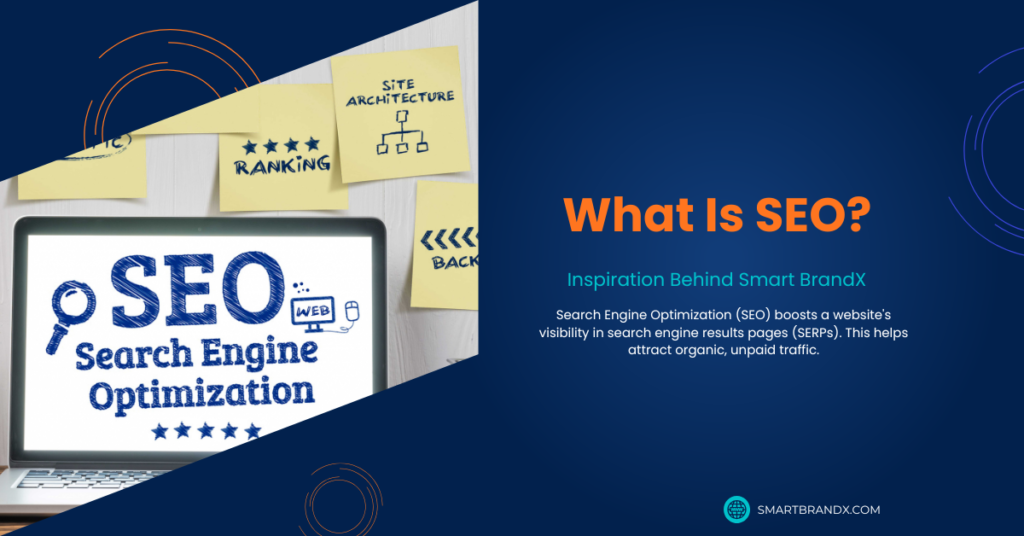
Search Engine Optimization (SEO) boosts a website’s visibility in search engine results pages (SERPs). This helps attract organic, unpaid traffic. The goal of SEO is to help search engines understand your content while ensuring users can easily find the information they need.
Search Engine Optimization (SEO) includes technical fixes, content creation, improving user experience, and building authority. These efforts boost rankings and attract targeted visitors.
When users look for products, services, answers, or solutions, search engines check millions of web pages. They find the most relevant results quickly. Effective SEO helps your website become one of those recommended results.
Today, SEO extends far beyond traditional keyword optimization. Modern SEO focuses on satisfying user intent and delivering exceptional value.
At Smart Brand X, we view SEO as a complete digital growth strategy rather than a simple ranking tactic.
No, SEO is not dead.
If SEO were dead, businesses would lose organic traffic. Search engines wouldn’t show website results. Companies would also stop investing in SEO. None of these things is happening.
In reality, search engines process billions of searches every day. Users still rely on search engines to discover products, services, businesses, and information. Organic search continues to be one of the largest traffic sources for most websites.
The misconception arises because many outdated SEO techniques no longer work. Keyword stuffing, bad backlinks, duplicate content, and tricky optimization don’t work anymore.
Rather than disappearing, SEO has matured into a more comprehensive and strategic discipline.
SEO is undergoing one of the biggest transformations in its history. AI, machine learning, and changing user habits are transforming how search engines assess and show content.
Search engines now prioritize helpfulness, expertise, trust, and user satisfaction. This shift rewards businesses that genuinely help their audiences.
At Smart Brand X, we see these changes as opportunities. Adaptable businesses can earn better rankings and grow sustainably. They should focus on quality instead of taking shortcuts.
To evaluate whether SEO still works in 2026, I conducted a 90-day experiment using a content-focused website strategy.
The approach was straightforward. I stopped chasing algorithms. Instead, I focused on creating useful content, optimizing performance, and enhancing user experience.
The biggest surprise was that AI-driven search changes did not eliminate organic traffic. Instead, websites with authoritative, helpful, and well-structured content continued gaining visibility.
The experiment highlighted a key lesson: SEO success in 2026 relies more on truly helping users than on gaming algorithms.
Businesses that focus on expertise, trust, relevance, and great content can still succeed in organic search.
At Smart Brand X, we see that this matches what works in SEO: quality always beats shortcuts.
The claim that “SEO is dead” resurfaces every few years, but the evidence tells a very different story. Search engines are still a main way people find information, products, services, and brands online. What has changed is the way SEO works.
Modern SEO isn’t just about finding loopholes or following algorithms. It aims to create valuable content and understands what users want. It provides great experiences and builds trust.
AI search, machine learning, and changing user behaviors are reshaping the digital world. So, businesses need to adjust their strategies. Those who focus on quality, relevance, expertise, and user satisfaction will continue to thrive in search results. The best websites don’t try to trick search engines. They focus on helping users find the answers they need.
At Smart Brand X, we believe the future of SEO is brighter than ever for businesses willing to embrace change. SEO is not dying—it is evolving into a smarter, more user-centric discipline. Investing in smart SEO helps companies get steady organic traffic. It builds brand authority and leads to long-term growth.
Yes. SEO remains one of the most cost-effective digital marketing channels. Search engines are always changing. Businesses that prioritize valuable content and user experience still achieve strong organic visibility. This leads to steady traffic and long-term returns, often beating short-term paid ads.
No. AI has changed how search engines present information, but it has not replaced SEO. Search engines still rely on websites as primary information sources. AI boosts the demand for clear, reliable, and organized content. This helps search engines trust and rank it better.
Many people make this claim when search engines introduce major updates. Outdated SEO tactics often fail. This leads some marketers to think that SEO doesn’t work anymore. SEO evolves with new technology and user needs instead of vanishing completely.
Key ranking factors are:
Also important are page speed, expertise, authority, trustworthiness, internal linking, and relevant backlinks. Search engines prioritize websites that provide genuine value to users.
Absolutely. Keyword research is key. It helps businesses know what users want to find. Modern SEO emphasizes search intent and topic relevance instead of just repeating keywords in content.
SEO is a long-term strategy. Some improvements may become visible within a few weeks, but meaningful results often take three to six months or longer. Competition, website authority, content quality, and industry niche all affect how long things take.
Yes.
Many smaller websites outperform larger competitors by providing more focused and valuable information.
The future of SEO will focus on user experience, AI-driven searches, topical authority, trust, and content quality. Businesses that regularly share useful content and adjust to new search tech will enjoy organic search traffic for years.
Search has changed dramatically. Google AI Overviews, conversational search, and generative engines are transforming how users discover information....
Read MoreFor more than a decade, marketers have repeatedly claimed that SEO is dead in 2026. Every major Google...
Read MoreSearch engine optimization has changed dramatically over the last few years. In 2026, SEO writing is no longer...
Read More