

SEO
Most Effective SEO Title Tag Formulas for 2026
Search has changed dramatically. Google AI Overviews, conversational search, and generative engines are transforming how users discover information....
Read More
Search engine optimization keeps evolving, but one thing remains true: websites that prioritise users and follow search engine guidelines achieve lasting success. This approach is known as White Hat SEO. As search engines become smarter in 2026, businesses can no longer rely on shortcuts or manipulative tactics to gain rankings. They should focus on creating valuable content, providing great user experiences, and building authority naturally.
White Hat SEO means using ethical strategies that follow search engine rules. It helps users find relevant and useful information. Unlike risky tactics that may provide temporary gains, White Hat SEO builds long-term credibility and trust. It focuses on quality content, technical optimisation, user satisfaction, mobile responsiveness, and natural link-building.
For businesses wanting a strong online presence, White Hat SEO is the safest and most effective way to boost search rankings. It shields websites from penalties, boosts user engagement, and fosters steady growth in organic traffic.
In this guide from Smart Brand X, you’ll discover what White Hat SEO is. You’ll see how it’s different from Black Hat SEO. We’ll explain why it matters in 2026. Plus, you’ll learn key techniques to rank safely and effectively.
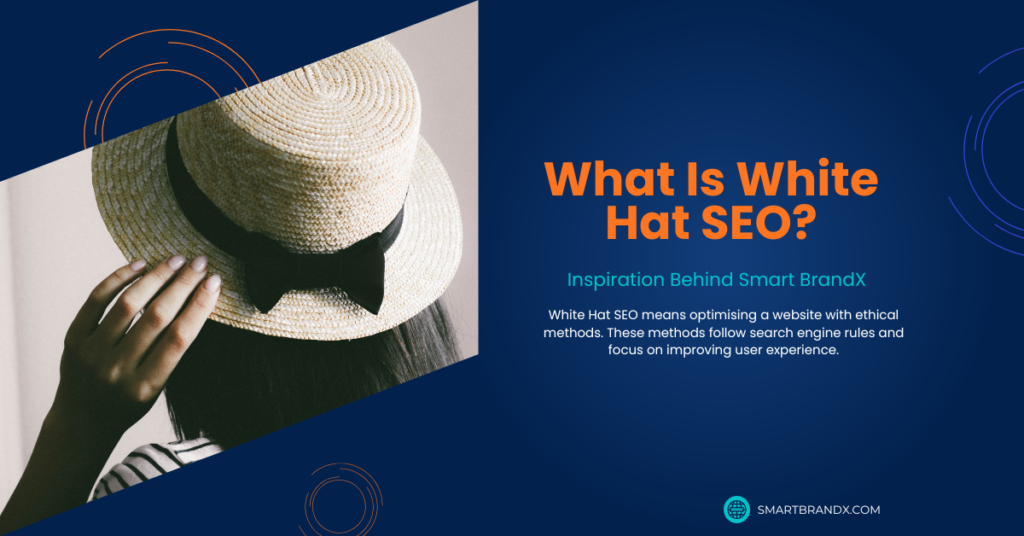
White Hat SEO means optimising a website with ethical methods. These methods comply with search engine guidelines and focus on improving user experience. The term “white hat” originates from old Western films, where heroes wore white hats to symbolize honesty and integrity. In SEO, it means using fair strategies to improve search visibility. This helps without deceiving search engine algorithms.
The main goal of White Hat SEO is to help search engines understand your content. It also aims to give users useful information. Instead of exploiting loopholes, it aims to build a website that ranks for quality, relevance, and authority.
Common White Hat SEO practices include:
Search engines like Google update their algorithms often. These updates reward websites that offer real value. Helpful content systems, AI-driven search, and user engagement signals make ethical SEO important today.
White Hat SEO is not a quick-fix strategy. It requires patience, consistency, and ongoing optimization. The results are lasting. They can greatly boost your website’s authority, visibility, and credibility over time.
For businesses, bloggers, and e-commerce brands, White Hat SEO serves as a foundation for long-term digital success. Websites can keep stable rankings by prioritising users over search engines. This approach helps them adapt as algorithms change.
| Factor | White Hat SEO | Black Hat SEO |
| Definition | Ethical SEO techniques that follow search engine guidelines. | Manipulative tactics designed to exploit algorithm weaknesses. |
| Primary Goal | Improve rankings by providing value to users. | Gain quick rankings regardless of user experience. |
| Compliance | Fully complies with search engine policies. | Violates search engine guidelines. |
| Content Quality | Original, useful, and user-focused content. | Thin, duplicated, spun, or keyword-stuffed content. |
| Keyword Usage | Natural keyword placement and optimization. | Excessive keyword stuffing and manipulation. |
| Link Building | Earns backlinks naturally through quality content. | Uses paid links, link farms, and spam tactics. |
| User Experience | Prioritizes usability, accessibility, and engagement. | Often ignores user needs. |
| Risk Level | Low risk of penalties. | High risk of manual actions and ranking losses. |
| Sustainability | Long-term and stable growth. | Short-term gains with significant long-term risks. |
| Algorithm Updates | Benefits from search engine improvements. | Frequently harmed by algorithm updates. |
| Brand Reputation | Builds trust and credibility. | Can damage brand image and authority. |
| Results Timeline | Slower but sustainable. | Faster initially but often temporary. |
The fundamental difference lies in intent. White Hat SEO seeks to help users and improve the web experience, while Black Hat SEO focuses on manipulating rankings. In 2026, with increasingly sophisticated algorithms, ethical optimization has become the preferred and safest approach for long-term success.
White Hat SEO is important because it creates a strong foundation for sustainable organic growth. Search engines aim to give users the best results, so White Hat practices fit this goal well.
When businesses invest in ethical SEO, they build trust with both search engines and visitors. High-quality content, technical optimisation, and user-focused experiences help websites draw in qualified traffic. This traffic is more likely to convert.
Benefits of White Hat SEO include:
In 2026, AI-powered search is changing. Search engines are getting better at spotting manipulation and rewarding authenticity. Businesses using White Hat SEO can adapt to algorithm changes. This helps them keep visibility and growth steady.
Successful White Hat SEO strategies revolve around delivering value and improving user experiences.

The three most important techniques include:
These practices work together to build trust, boost rankings, and draw in quality organic traffic. Master these three SEO basics for a solid foundation in 2026. They offer the best path for lasting growth.
Content remains the cornerstone of White Hat SEO. Search engines focus on pages that offer useful, accurate, and complete information to solve user issues.
Valuable content goes beyond inserting keywords into articles. It focuses on educating, informing, entertaining, or assisting visitors. When users find your content useful, they spend more time on your site, share your resources, and return for future information.
To create valuable content:
Great content draws backlinks, boosts engagement, and makes your brand a trusted resource. In 2026, content that genuinely helps users remains one of the most powerful ranking factors.
Search intent refers to the reason behind a user’s search query. Matching this intent is key for better rankings and user satisfaction.
A user looking for “best laptops for students” wants suggestions. In contrast, someone searching “buy laptop online” is ready to buy. Delivering the wrong type of content often results in higher bounce rates and lower rankings.
There are four primary types of search intent:
When your content aligns with user expectations, visitors engage more deeply with your website. Search engines recognize these positive signals and are more likely to reward your pages with improved rankings.
In 2026, search intent optimization is no longer optional—it is a fundamental component of successful White Hat SEO.
Mobile usability is key for ranking. Most internet users now browse on smartphones and tablets. A website that doesn’t work well on mobile can hurt user experience, engagement, and rankings.
A mobile-friendly website adjusts to different screen sizes. This helps visitors navigate, read content, and complete tasks easily, no matter what device they use.
Mobile-friendly websites offer several advantages:
Mobile-first indexing is shaping search results in 2026, so businesses need to focus on mobile optimization. A fast, responsive, and user-friendly website boosts SEO and improves customer satisfaction.
Yes, White Hat SEO should always be your preferred strategy if you want long-term success and sustainable growth.
Black Hat tactics might give quick ranking boosts, but they come with big risks. These can hurt your website’s visibility and reputation. Search engine penalties can lead to lost traffic, lower credibility, and even removal from search results.

Ethical optimization may require more patience, but the benefits far outweigh the risks. Businesses that invest in White Hat SEO create durable digital assets that continue generating value for years.
White Hat SEO is the foundation of sustainable search engine success in 2026. It focuses on providing real value. Quality content, good user experiences, ethical optimisation, and technical skill drive success. Shortcuts won’t help.
As search engines improve, websites that prioritise users and follow best practices earn better rankings, increased trust, and lasting visibility. Every White Hat SEO technique helps build authority and credibility online. This includes creating valuable content, satisfying search intent, and ensuring mobile responsiveness.
For businesses seeking reliable organic growth, White Hat SEO offers a proven and future-proof strategy. Results may take time, but the rewards are worth it. You’ll notice steady traffic, increased engagement, higher conversions, and safety from algorithm changes.
At Smart Brand X, embracing White Hat SEO means investing in sustainable success rather than temporary gains. Focusing on ethical optimisation and user satisfaction helps your website stay visible in search results over time. This approach keeps you competitive in a changing digital world.
The main aim of White Hat SEO is to boost search engine rankings. It does this by sticking to ethical guidelines and offering value to users. It focuses on creating high-quality content, improving user experiences, and building authority naturally. White Hat SEO improves website visibility by emphasising relevance, trust, and usefulness. It avoids tricking algorithms. This approach leads to sustainable rankings, long-term traffic growth, and stronger brand credibility.
Yes, White Hat SEO is considered the safest SEO strategy for long-term success. Because it aligns with search engine guidelines, it reduces the risk of penalties and ranking losses. Ethical optimization techniques help websites adapt to algorithm updates more effectively. Results may take longer to achieve, but they tend to be more stable and sustainable than those from manipulative methods.
White Hat SEO results change based on competition, industry, website authority, and how well you optimise. Most websites start to improve in three to six months. But in competitive markets, it might take longer. Consistency is essential. Regularly creating content, making tech upgrades, and focusing on users help build trust and authority. This, in turn, leads to better organic rankings and steady traffic growth over time.
Yes, White Hat SEO can boost conversion rates. It does this by attracting the right visitors and providing a great user experience. Businesses can connect with users by matching their search intent. They should also offer valuable content and make their websites easier to use. Visitors who see clear information and find navigation easy are more likely to take action. They might buy products, ask for services, or sign up for newsletters.
Common White Hat SEO techniques are:
These methods help search engines understand content while improving user experiences. Ethical SEO strategies aim to give real value. They avoid tricking rankings with dishonest or banned methods.
Yes, link building is key to White Hat SEO when done ethically. White Hat link building aims to earn backlinks naturally. It does this through valuable content, digital PR, strong industry ties, and trusted resources. These backlinks act as trust signals for search engines, avoiding paid schemes or deceptive tricks.
White Hat SEO is key in 2026. Search engines now rely on AI and smart ranking algorithms. They focus on content quality and user satisfaction. Ethical SEO practices keep websites in line with changing rules. They also help maintain visibility and authority. Businesses that focus on users, quality content, and technical skills are more likely to earn lasting rankings and succeed online over time.
Search has changed dramatically. Google AI Overviews, conversational search, and generative engines are transforming how users discover information....
Read MoreFor more than a decade, marketers have repeatedly claimed that SEO is dead in 2026. Every major Google...
Read MoreSearch engine optimization has changed dramatically over the last few years. In 2026, SEO writing is no longer...
Read More